The emergence of virtual intensive outpatient programs has transformed access to specialized anxiety treatment for individuals in Roseville, California and beyond. The critical question families ask: does virtual treatment produce outcomes comparable to traditional in-person care? Research provides a clear answer, and it’s reshaping how people access evidence-based anxiety treatment.
Understanding the effectiveness of virtual treatment empowers families to make informed decisions based on their specific circumstances rather than assumptions about what format therapy requires. The data reveals surprising insights about when and why virtual treatment works.
What Research Shows About Virtual Anxiety Treatment
Research confirms that our virtual intensive outpatient program produces the same industry-leading outcomes as our in-person program. Clients participating virtually achieve the same average 67% symptom reduction seen in face-to-face treatment. The recovery rate of 79% and client satisfaction of 92% remain consistent across both formats.
These equivalent outcomes reflect a fundamental truth about anxiety treatment: what matters most is the therapeutic approach and treatment intensity, not the physical location where therapy occurs. Evidence-based exposure therapy works through experiential learning that happens regardless of whether the therapist is in the same room or visible through a screen.
How Virtual Treatment Maintains Effectiveness
Virtual intensive outpatient treatment for anxiety provides three hours of structured therapy daily, Monday through Friday, identical to in-person programs. Clients participate in individual therapy sessions, exposure practice groups, and skills development sessions through a secure video platform. The program serves individuals 8 years and older, delivering age-appropriate treatment across all developmental stages.
Understanding the Flexibility Advantages
Virtual treatment offers distinct advantages beyond simple convenience. For families in Roseville, California, eliminating daily commute time makes the intensive schedule more manageable while maintaining the treatment frequency necessary for optimal outcomes.
The flexibility extends to accessibility. Individuals who might face barriers to in-person attendance due to transportation limitations, childcare responsibilities, or scheduling conflicts can access specialized care they might otherwise miss. This increased accessibility means more people receive treatment when they need it rather than delaying or forgoing care.
Real-World Exposure Practice
A common misconception suggests that virtual treatment limits exposure opportunities. In reality, virtual clients practice exposures in their actual environment, their real life, which often provides superior generalization compared to office-based practice. Therapists coach clients through their device as they engage with triggers in their home, neighborhood, or community.
For someone with generalized anxiety disorder, this might mean practicing exposures related to household responsibilities, family interactions, or daily routines with real-time therapeutic support. For individuals with panic disorder, it involves facing feared situations in their actual life context while connected to their therapist via video.
Which Anxiety Disorders Respond to Virtual Treatment?
Virtual treatment effectively addresses the full range of anxiety disorders that our program treats: generalized anxiety disorder, social anxiety disorder, panic disorder, and body dysmorphic disorder. The core mechanism underlying these conditions, a misfiring anxiety alarm that perceives danger where none exists, responds to exposure therapy regardless of treatment format.
Social anxiety treatment in a virtual format might initially seem contradictory, but the video environment provides meaningful opportunities for exposure practice. Group sessions require social engagement, presentation skills, and interpersonal interaction, all of which challenge social anxiety while potentially feeling slightly less overwhelming than in-person settings initially.
Adapting Treatment to the Virtual Environment
Therapists in our virtual program use the same evidence-based approaches as in-person treatment, adapting delivery methods to maximize effectiveness in the video environment. This might involve creative use of the virtual space for exposure practice, leveraging clients’ home environments for real-world applications, or utilizing digital tools that enhance learning.
What Virtual Treatment Requires
Successful virtual treatment requires reliable internet connection, a device with camera and microphone capabilities, and a private space for sessions. These technological requirements are straightforward, and our team provides support to ensure clients can access the platform before treatment begins.
Beyond technology, virtual treatment requires the same commitment as in-person care: consistent attendance, active engagement in exposure practice, and willingness to face fears with therapeutic support. The format differs, but the work remains the same.
Privacy and Confidentiality
Our virtual platform meets all HIPAA requirements for confidentiality and security. Sessions are conducted through encrypted, secure video connections that protect client privacy. Families can feel confident that virtual treatment maintains the same stringent privacy protections as in-person care.
Insurance Coverage for Virtual Treatment
95% of our clients are able to use their insurance for treatment, whether they choose virtual or in-person care. Many insurance companies expanded telehealth coverage in recent years, recognizing virtual treatment as equivalent to in-person services for mental health conditions including anxiety disorders.
Our billing team helps families navigate the insurance verification and authorization process, ensuring that format choice doesn’t create coverage complications. For most plans, virtual intensive outpatient treatment receives the same coverage as traditional in-person programs.
When to Choose Virtual vs. In-Person Treatment
Since outcomes are equivalent, the choice between virtual and in-person treatment comes down to personal preference and practical considerations. Some individuals prefer the structure of leaving home for treatment and the physical presence of therapists and peers. Others appreciate the flexibility and comfort of participating from their own environment.
For families in Roseville, California with easy access to our location at 3001 Lava Ridge Court, Suite 160, the decision might involve considering commute time and daily schedule logistics. For those living farther from Roseville, virtual treatment eliminates travel barriers while maintaining access to specialized expertise.
Switching Between Formats
Clients can transition between virtual and in-person treatment if circumstances change during the 16-week program. This flexibility ensures that format choice doesn’t lock families into an arrangement that becomes unworkable, providing additional confidence when making initial treatment decisions.
The Future of Anxiety Treatment Access
Virtual intensive outpatient programs represent an evolution in how specialized anxiety treatment reaches those who need it. By maintaining outcome equivalence while increasing accessibility and flexibility, virtual care removes barriers that previously prevented many individuals from accessing evidence-based treatment.
Frequently Asked Questions
Can younger children participate effectively in virtual anxiety treatment?
Our virtual program serves individuals starting at age 8. Younger clients often adapt easily to the video format, and therapists use age-appropriate engagement strategies to maintain attention and involvement. Parents can provide nearby support while allowing their child to participate independently, which often works well for pediatric treatment.
How do group sessions work in virtual anxiety treatment?
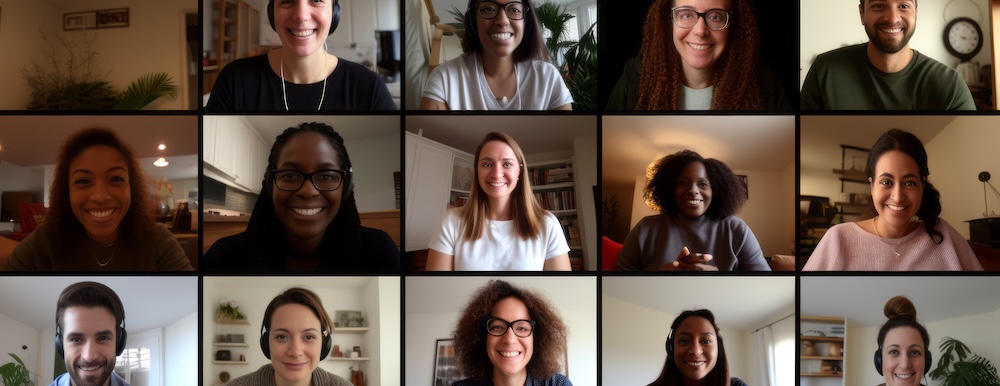
Virtual group sessions bring clients together via video conferencing, with everyone visible on screen. Participants engage in discussions, support each other through exposures, and practice skills together just as they would in person. Many clients report that virtual groups feel surprisingly connected and supportive despite the digital format.
What if my internet connection isn’t always reliable?
Stable internet is important for optimal participation in virtual treatment. If connectivity concerns exist, our team can discuss strategies like using mobile data as backup, optimizing home network setup, or considering whether in-person treatment might be more appropriate. We want to ensure clients can engage fully regardless of format chosen.
Can I do exposures outside my home while in virtual treatment?
Yes, many virtual clients bring their device along for exposures in their community, remaining connected to their therapist via video. This might involve facing feared situations in stores, parks, or other public locations with real-time coaching and support. The portable nature of virtual treatment actually enables certain exposure opportunities that office-based treatment cannot provide.
How does virtual treatment work for panic disorder with agoraphobia?
Virtual treatment for panic disorder includes both interoceptive exposures (creating physical sensations similar to panic) and in vivo exposures (facing feared situations). For individuals with agoraphobia who avoid leaving home, virtual treatment can begin where they are, gradually building skills and confidence for venturing into increasingly challenging situations with therapist support via video.
What happens during individual therapy sessions in virtual treatment?
Individual therapy sessions in virtual treatment follow the same structure as in-person sessions, with clients meeting one-on-one with their primary therapist via secure video. They process exposures, develop treatment plans, work through specific challenges, and build skills just as they would in face-to-face therapy. The therapeutic relationship develops fully through the virtual connection.
Can virtual anxiety treatment in Roseville really produce the same 67% symptom reduction?
Yes, research confirms that our virtual intensive outpatient program produces the same industry-leading outcomes as our in-person program in Roseville, California. The average 67% symptom reduction, 79% recovery rate, and 92% satisfaction rate remain consistent across both formats. Evidence-based treatment delivered with appropriate intensity produces equivalent results regardless of whether therapy occurs in person or virtually.
Whether you choose virtual or in-person treatment, you can access the same specialized expertise and evidence-based care that produces transformative results. Contact our Roseville, California program at (916) 232-3500 to discuss which format best fits your circumstances and learn how intensive outpatient treatment can help you achieve freedom from anxiety.