Obsessive-compulsive disorder (OCD) affects thousands of Colorado residents, causing intrusive thoughts and compulsive behaviors that can significantly disrupt daily life. For individuals and families across the state seeking effective treatment, understanding your options is the first step toward recovery. Evidence-based treatment approaches, particularly Exposure and Response Prevention (ERP) therapy, have proven highly effective in reducing OCD symptoms. Through specialized intensive outpatient programs now available virtually throughout Colorado, residents from Denver to Grand Junction can access the same quality care that produces an average 67% symptom reduction.
Whether you live along the Front Range, in the mountain communities, or on the Western Slope, accessing specialized OCD treatment no longer requires traveling out of state or compromising on quality. Virtual intensive outpatient programs bring expert care directly to Colorado residents, allowing treatment to integrate seamlessly into daily life while delivering outcomes identical to in-person programs.
What Is Obsessive-Compulsive Disorder?
Obsessive-compulsive disorder is a mental health condition characterized by two distinct but interconnected components: obsessions and compulsions. Obsessions are unwanted, intrusive thoughts, images, or urges that cause significant anxiety or distress. These thoughts feel impossible to control and often focus on themes that deeply conflict with a person’s values and desires. Compulsions are repetitive behaviors or mental acts that a person feels driven to perform in response to obsessions, typically aimed at reducing anxiety or preventing a feared outcome.
The cycle of OCD creates a pattern that can consume hours each day. When an intrusive thought triggers anxiety, the brain perceives a threat and activates the body’s alarm system. The urge to neutralize this perceived threat through compulsive behavior becomes overwhelming. While performing the compulsion may provide temporary relief, it ultimately reinforces the brain’s false belief that the threat was real, strengthening the cycle over time.
Common OCD Presentations
OCD can manifest in countless ways, as the condition can attach to virtually any thought or fear. Some individuals experience obsessions related to contamination, leading to excessive washing or cleaning rituals. Others struggle with intrusive thoughts about harm, symmetry, religious or moral concerns, or unwanted sexual thoughts. The specific content of obsessions varies widely, but the underlying mechanism remains the same: a brain that misfires, perceiving danger where none exists.
Compulsions similarly take many forms. Physical rituals like checking, counting, arranging, or repeating actions are common. Mental compulsions, including reviewing past events, seeking reassurance, or mentally neutralizing thoughts, can be equally time-consuming and distressing. Many people with OCD also engage in avoidance behaviors, steering clear of situations, places, or people that might trigger obsessive thoughts.
How Is OCD Treated Effectively?
The gold standard treatment for OCD is Exposure and Response Prevention (ERP), a specialized form of cognitive behavioral therapy with decades of research supporting its effectiveness. ERP works by directly addressing the false alarm at the core of OCD. Rather than trying to eliminate intrusive thoughts or argue against them logically, ERP helps individuals learn through experience that their feared outcomes either don’t occur or are manageable without performing compulsions.
During ERP treatment, clients work with trained therapists to gradually face situations that trigger their obsessions while resisting the urge to engage in compulsive behaviors. This process, called exposure, is paired with response prevention, the deliberate choice not to neutralize anxiety through rituals. Over time, the brain learns that the perceived threats aren’t actually dangerous, and the alarm system recalibrates to more accurate levels.
Why Intensive Treatment Produces Better Outcomes
While traditional weekly therapy sessions can be helpful for some mental health concerns, OCD often requires a more intensive approach. Weekly sessions may not provide enough concentrated practice for individuals to effectively challenge deeply ingrained patterns. The intensive outpatient program format, with treatment sessions three hours per day, Monday through Friday, over 16 weeks, allows for the consistent, repeated exposure practice necessary to achieve lasting change.
Research demonstrates that intensive treatment formats produce superior outcomes for OCD compared to less frequent therapy. The structure provides multiple opportunities each week to face fears, practice response prevention, and build confidence in managing anxiety without compulsions. Clients in intensive programs achieve an average 67% symptom reduction, representing meaningful improvement in daily functioning and quality of life.
OCD Treatment Options Available in Colorado
Colorado residents now have access to specialized OCD treatment through virtual intensive outpatient programs that serve communities throughout the state. This format brings evidence-based ERP therapy to individuals regardless of their location, eliminating geographic barriers that previously limited access to specialized care. Whether you’re in the Denver metropolitan area, Colorado Springs, Fort Collins, or smaller communities across the state, treatment is available from the comfort of your home.
The virtual IOP format delivers the same evidence-based treatment with identical outcomes as in-person programs. Clients participate in structured therapy sessions that include individual therapy with a primary therapist, exposure practice groups, specialty skills groups, and process groups. The program serves individuals ages 8 and older, making specialized treatment available for children, adolescents, and adults throughout Colorado.
What to Expect from Virtual OCD Treatment
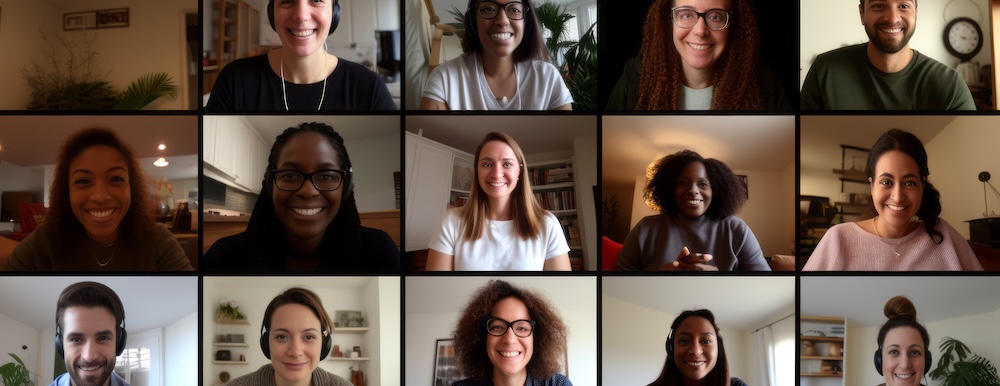
Virtual intensive outpatient treatment maintains the structure and intensity that makes this format effective while offering the convenience of participating from home. Clients connect with their treatment team and peers through secure video sessions, engaging in the same therapeutic activities as in-person programs. The 8:1 client-to-staff ratio ensures substantial individual attention within the supportive group environment.
An important advantage of virtual treatment is the opportunity to practice exposures in real-life settings. Rather than practicing skills in a clinic and then transferring them to daily life, clients apply what they’re learning directly in their home environment, school, workplace, or community. This real-world practice can enhance the generalization of treatment gains, as skills are developed in the actual contexts where they’ll be used long-term.
What Results Can You Expect from OCD Treatment?
Evidence-based OCD treatment produces meaningful, measurable improvement for the majority of individuals who engage fully in the process. Our intensive outpatient program achieves an average 67% symptom reduction for clients who complete treatment. This represents the highest rate in the country and reflects the effectiveness of delivering ERP therapy in a concentrated, structured format with specialized clinicians.
Beyond symptom reduction statistics, treatment success means reclaiming time and energy previously consumed by obsessions and compulsions. Many clients report being able to return to activities they had avoided, strengthen relationships that OCD had strained, and experience greater freedom in their daily choices. Recovery doesn’t mean never having an intrusive thought again, but rather developing the skills and confidence to respond differently when they occur.
Understanding the Recovery Process
Recovery from OCD is a process that unfolds over time with consistent effort and practice. The 16-week program duration allows for gradual progression through increasingly challenging exposures while building a foundation of skills and experience. Most clients notice improvement within the first few weeks of treatment as they begin applying ERP principles to their daily lives.
It’s important to understand that OCD is a manageable condition rather than one that can be completely “cured.” The goal of treatment is to help individuals develop the tools to effectively manage symptoms when they arise, reduce the time and distress associated with OCD, and prevent the condition from controlling their lives. With proper treatment, many individuals achieve what clinicians call recovery, meaning symptoms no longer significantly interfere with daily functioning.
When Should You Seek Treatment for OCD in Colorado?
If obsessive thoughts or compulsive behaviors are consuming significant time each day, causing notable distress, or interfering with work, school, relationships, or other important areas of life, it may be time to seek specialized treatment. Many people with OCD try to manage symptoms on their own for years before seeking help, but earlier intervention typically leads to better outcomes and prevents the condition from becoming more entrenched.
Traditional weekly therapy may be a starting point for some individuals with milder symptoms. However, if weekly sessions haven’t produced meaningful improvement, or if symptoms are moderate to severe, an intensive outpatient program provides the concentrated treatment often necessary for significant progress. The structured format and evidence-based approach address OCD directly rather than simply providing general support or coping strategies.
Frequently Asked Questions
Is OCD treatment available throughout Colorado?
Yes, virtual intensive outpatient treatment for OCD is available to residents throughout Colorado, including Denver, Colorado Springs, Aurora, Fort Collins, Boulder, and all other communities across the state. The virtual format eliminates geographic barriers, bringing specialized care to individuals regardless of their location within Colorado.
What is the best treatment for OCD?
Exposure and Response Prevention (ERP) is the gold standard treatment for OCD, with extensive research demonstrating its effectiveness. This specialized form of cognitive behavioral therapy helps individuals face their fears while resisting compulsive behaviors, allowing the brain’s alarm system to recalibrate. Intensive outpatient programs that deliver ERP achieve an average 67% symptom reduction.
How long does OCD treatment take?
Our intensive outpatient program is structured as a 16-week treatment course, with sessions three hours per day, Monday through Friday. This intensive format allows for more concentrated practice and typically produces faster, more significant improvement than traditional weekly therapy sessions.
Can OCD be treated without medication?
Yes, many individuals successfully manage OCD through evidence-based therapy alone. Exposure and Response Prevention (ERP) is highly effective as a standalone treatment and is the foundation of our intensive outpatient program. Treatment approaches are individualized based on each client’s needs and circumstances.
Does insurance cover OCD treatment in Colorado?
95% of our clients are able to use their insurance for treatment. Our program works with most major insurance providers to make evidence-based OCD treatment accessible to Colorado residents who need specialized care.
What ages do you treat for OCD in Colorado?
Our intensive outpatient program serves individuals ages 8 and older, including children, adolescents, and adults. The program structure and approach are adapted to meet the developmental needs of different age groups while maintaining the evidence-based ERP framework.
If you or a loved one is struggling with OCD, effective treatment is available throughout Colorado. Our virtual intensive outpatient program provides evidence-based care using Exposure and Response Prevention therapy, helping clients achieve significant symptom reduction while maintaining their daily routines. Contact us at 866-303-4227 to learn more about how our specialized program can help you or your family member find relief from OCD.