
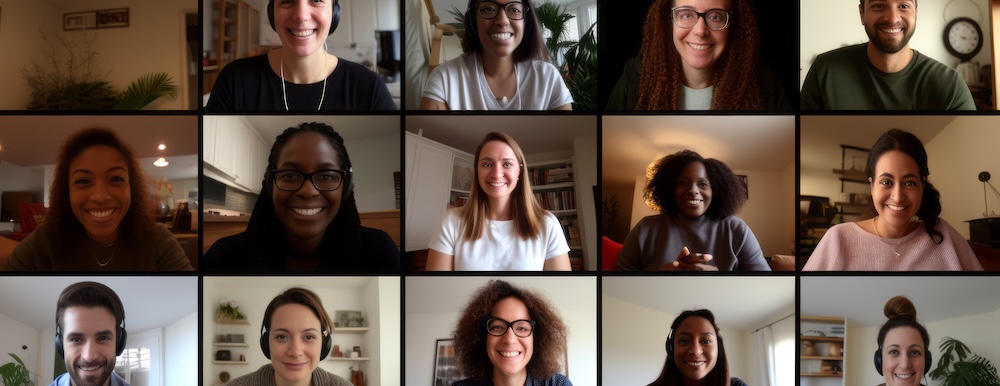
When anxiety or obsessive-compulsive disorder (OCD) begins interfering with daily life, weekly therapy may not feel like enough support. Yet for many, inpatient or residential treatment can feel too intensive, too disruptive, or simply inaccessible. This is often where Intensive Outpatient Programs (IOPs) fit into the continuum of care, programs which are now being offered virtually in many cases.
Virtual IOP treatment has grown substantially in recent years, especially for anxiety-related conditions and OCD. The good news: more access to care is brought right to people’s homes. However, you may wonder: “Is virtual treatment actually effective and can it really compare to in-person care?”
These are valid questions, and there are of course differences between virtual and in-person resources. But research suggests that for many individuals, virtual IOP treatment can be a highly effective option. While it is not the right fit for everyone, as is the case with all treatments, evidence increasingly supports the role of virtual IOP in improving symptoms, increasing access to care, and helping people engage in specialized treatment for anxiety and OCD.
What Is a Virtual IOP?
A virtual Intensive Outpatient Program (IOP) is a structured mental health treatment program delivered remotely through secure video platforms. Similar to traditional in-person IOPs, virtual IOPs provide a higher level of care than weekly outpatient therapy while allowing participants to continue living at home and maintaining aspects of daily life.
Most virtual IOPs involve several treatment sessions per week, totaling between 9 and 20 hours of care. Programs commonly include individual therapy, group therapy, psychoeducation, skills training, family involvement when appropriate, and psychiatric medication support if needed. For anxiety disorders and OCD, virtual IOPs often incorporate evidence-based approaches: cognitive behavioral therapy (CBT), exposure-based interventions, and skills focused on emotion regulation, distress tolerance, and behavioral change.
Unlike traditional weekly therapy, IOPs are designed for individuals whose symptoms significantly impair functioning or who need more consistent therapeutic support to interrupt severely ingrained patterns of anxiety, avoidance, compulsions, or distress.
How Is Virtual IOP Similar to In-Person IOP?
Fundamentally, virtual and in-person IOPs are more alike than different.
Both models aim to provide structured, intensive care without requiring hospitalization or overnight stays. Participants typically attend multiple sessions per week, work with licensed clinicians, and follow individualized treatment plans. Group therapy remains a central component in both settings, offering opportunities for support, accountability, and skill-building with peers facing similar challenges.
Perhaps most importantly, the therapeutic approaches themselves are often the same. Effective virtual anxiety and OCD IOPs tend to rely on the same evidence-based interventions used in traditional programs, including CBT and ERP. The goals of treatment, including reducing symptom severity, improving functioning, increasing emotional flexibility, and decreasing avoidance, remain consistent regardless of format.
Research comparing telehealth-delivered mental health treatment with in-person care has found that symptom improvement, therapeutic alliance, patient satisfaction, and treatment engagement are often comparable across formats for many anxiety-related conditions. In other words, receiving treatment through a screen does not necessarily diminish the quality or effectiveness of care. For OCD specifically, virtual delivery may still allow for intensive exposure work, therapist guidance, and real-time behavioral coaching. In many cases, clinicians can adapt exposure exercises effectively to a virtual environment.
How Is Virtual IOP Different from In-Person Treatment?
It is important to consider that there are differences when considering virtual vs. in-person IOP treatment.
The most obvious difference is the setting. Instead of attending treatment in a clinic or office, virtual IOP has participants engage from home or another private environment. This shift presents both advantages and challenges.
One unique benefit of virtual anxiety and OCD treatment is that therapy occurs in a person’s real-life environment. For example, individuals with OCD may complete exposure exercises involving their actual triggers at home, rather than attempting to recreate situations in a clinic setting. Someone with contamination fears may practice touching feared household objects, while a person with checking compulsions may work directly on rituals involving their own environment.
Similarly, for anxiety disorders, virtual treatment may help bridge the gap between learning skills and applying them in everyday life. Therapists can support clients in practicing coping strategies where anxiety naturally occurs, which may improve generalization of treatment gains.
At the same time, virtual treatment requires a degree of self-management and environmental stability. Participants generally need access to reliable internet, a reasonably private space, and the ability to stay engaged despite potential distractions at home. Group dynamics may also feel different virtually. Some individuals find online participation easier and less intimidating, while others may feel less connected than they would in face-to-face settings.
Why Might Virtual IOP Be Needed?
One of the strongest arguments for virtual IOP treatment is access.
Anxiety disorders and OCD are common, yet specialized treatment, particularly exposure-based care for OCD, is often difficult to find. Many areas have shortages of clinicians trained in evidence-based anxiety and OCD interventions, especially outside major metropolitan regions. Virtual IOPs can reduce geographic barriers by connecting individuals with specialized providers regardless of location. Someone living in a rural area or a community with limited mental health resources may gain access to expert treatment that would otherwise be unavailable.
Virtual care may also help reduce practical barriers that commonly interfere with treatment engagement. Transportation challenges, childcare responsibilities, work schedules, physical health limitations, and caregiving demands can all make frequent in-person appointments difficult to sustain. For parents, professionals, students, or individuals balancing multiple responsibilities, attending treatment from home may make intensive support more feasible. This flexibility can be especially important when symptoms are severe enough to require more than weekly therapy but not so acute as to require hospitalization.
When the burden of travel and scheduling decreases, treatment participation may become more manageable.
Who Tends to Benefit Most from Virtual IOP?
Virtual IOP is not for everyone, but research and clinical experience suggest it can work particularly well for certain individuals.
People with moderate to severe anxiety or OCD symptoms who need structured support but remain medically and psychiatrically stable often benefit from this level of care. Virtual IOP may also work well for those motivated for treatment and more easily able to engage consistently in sessions.
Virtual formats may be particularly appealing for individuals whose anxiety makes in-person attendance feel overwhelming. For example, people experiencing panic symptoms, social anxiety, agoraphobia, or contamination fears may initially find it easier to participate remotely, increasing treatment accessibility. At the same time, successful virtual treatment often depends on readiness for active participation. Anxiety and OCD treatment—especially exposure-based work—typically requires willingness to face feared situations, tolerate discomfort, and practice skills outside of sessions.
Ultimately, determining the right level of care is best done collaboratively with a qualified mental health provider.
The Big Picture
Virtual IOP treatment has expanded access to specialized mental health care for anxiety and OCD in ways that were difficult to imagine only a decade ago. By combining intensive, evidence-based therapy with the flexibility of remote access, virtual programs may offer a middle ground between weekly outpatient therapy and more restrictive levels of care.
While in-person treatment remains an important option, and may still be the best fit for some, research increasingly supports virtual IOPs as an effective approach for many individuals struggling with anxiety and OCD. When thoughtfully designed and grounded in evidence-based care, virtual treatment can provide meaningful symptom relief, improved functioning, and greater access to specialized support.
References Supporting Article Statements
Comer, J. S., Furr, J. M., Cooper-Vince, C., Madigan, R. J., Chow, C., Chan, P. T., Idrobo, F., Chase, R., & McNeil, C. B. (2017). Rationale and considerations for the internet-based delivery of parent–child interaction therapy. Cognitive and Behavioral Practice, 24(3), 302–316.
Himle, J. A., Fischer, D. J., Van Etten, M. L., Janeck, A. S., & Hanna, G. L. (2006). Group behavioral therapy for obsessive-compulsive disorder: A review. Brief Treatment and Crisis Intervention, 6(3), 207–219.
McKay, D., Sookman, D., Neziroglu, F., Wilhelm, S., Stein, D. J., Kyrios, M., Matthews, K., & Veale, D. (2015). Efficacy of cognitive-behavioral therapy for obsessive-compulsive disorder. Psychiatry Research, 225(3), 236–246.
Rees, C. S., & Maclaine, E. (2015). A systematic review of videoconference-delivered psychological treatment for anxiety disorders. Australian Psychologist, 50(4), 259–264.
Storch, E. A., Caporino, N. E., Morgan, J. R., Lewin, A. B., Rojas, A., Brauer, L., Larson, M. J., Murphy, T. K., & Mullins, L. L. (2011). Preliminary investigation of web-camera delivered cognitive-behavioral therapy for youth with obsessive-compulsive disorder. Psychiatry Research, 189(3), 407–412.
Wootton, B. M. (2016). Remote cognitive-behavior therapy for obsessive-compulsive symptoms: A meta-analysis. Clinical Psychology Review, 43, 103–113.