
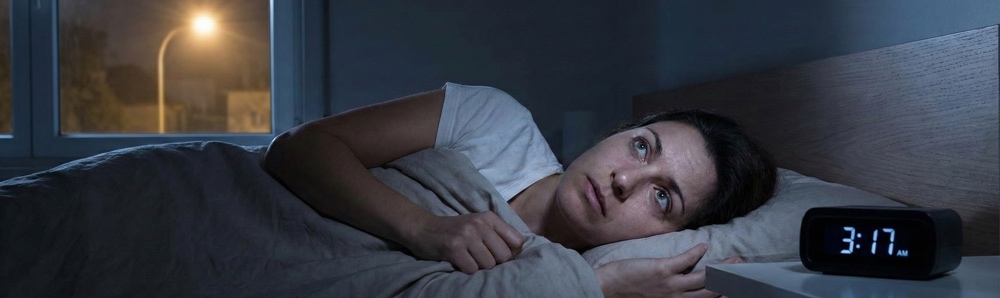
Waking up with anxiety can make a day feel lost before it starts. The alarm goes off at 6:30 am, and within seconds the chest is tight and the mind is already listing what could go wrong. Morning anxiety is common. It has a physical side, which is mostly normal, and a behavioral side, which is what a person does in the first hour to get away from the feeling. Evidence-based treatment works on the behavioral side, because that is the part that keeps the pattern in place and the part that can change.
The pattern is not a diagnosis of its own, and it often travels with generalized anxiety disorder.
Key Takeaways
- Morning anxiety is a pattern of worry and physical tension that peaks in the first hour after waking.
- The body raises its own alertness around waking, and a brain that is already on guard can read that rise as a sign that something is wrong.
- Worry feels like preparation, and it is not.
- Checking a phone from bed and mentally rehearsing the day bring short relief and keep the cycle going.
- Generalized anxiety disorder is treated with exposure-based therapy, scheduled worry time, and problem-solving skills.
- Anxiety on most mornings for months, or mornings that lead to missed work or school, is a reason to seek an evaluation.
What Is Morning Anxiety?
Morning anxiety is a surge of worry and physical tension that happens shortly after waking, often before anything stressful has occurred. It is not a formal diagnosis, and it commonly appears as part of generalized anxiety disorder or another anxiety disorder.
The thoughts tend to arrive as a list. There is the meeting at 10 am and the email that went unanswered. Nothing on the list is unusual, and that is typical of generalized anxiety disorder, where people worry about the same things everyone else does for far more of the day.
Then the body joins in with a fast heartbeat or a knot in the stomach.
Why Do I Wake Up With Anxiety?
People wake up with anxiety because the body raises its alertness in the first hour after waking, and an anxious brain reads that surge as a sign that something is wrong. Poor sleep and a habit of worrying first thing in the morning make the pattern stronger.
Everyone’s body does this. Cortisol, a hormone tied to alertness, rises naturally around waking and helps a person get out of bed. For a brain that is not on guard, the rise goes unnoticed. For a brain with a sensitive alarm, a faster heartbeat at 6:30 am gets treated as evidence, and the search for what is wrong begins.
The search always finds something.
Mornings also remove distractions. At 3 pm there are tasks and other people standing between a person and a worry, and at 6:30 am there is only a ceiling and a phone.
What Keeps Morning Anxiety Going?
Morning anxiety is kept going by the things people do to get relief from it. People check the phone in bed, mentally rehearse the day, seek reassurance, or delay getting up, and each of these lowers distress briefly while teaching the brain that the morning was a threat.
Worry is the most common of these and the hardest to spot, because it feels responsible, and running through the day’s problems at 6 am feels like getting ahead of them. Nothing gets solved. The same list is still there at breakfast.
Problem-solving and worry are different activities. One ends in a decision or a next step, and the other ends when something interrupts it.
Other habits are easier to see, like calling in late or asking a partner whether the day will be okay.
How Is Morning Anxiety Treated?
Morning anxiety is treated by treating the anxiety disorder behind it. For generalized anxiety disorder, evidence-based treatment combines Exposure and Response Prevention (ERP) with scheduled worry time and problem-solving skills, so that a person learns to let worry pass without acting on it.
Scheduled worry time sounds odd and works well. A client picks one set period each day, an hour or less, and when a worry shows up outside that window they write it down in a line or two and go back to what they were doing. By the time the window arrives, part of the morning’s list has already resolved without any help. That is its own lesson about how much the worrying was accomplishing.
Exposure for morning anxiety is plain. It means getting up at the alarm with the phone left on the dresser and starting the day with the tight chest still there. That is hard at 6:30 am, and it does not get easier by waiting for a calmer morning.
In our intensive outpatient program (IOP), clients practice this with clinically-trained staff three hours per day, Monday through Friday. Clients who complete our IOP achieve an average of 67% overall reduction of symptoms.
When Should You Get Help for Morning Anxiety?
Morning anxiety calls for professional help when it happens most days for months or starts to change behavior, such as missing work or dreading sleep because of the morning ahead. An evaluation by a specialist in anxiety disorders can identify whether generalized anxiety disorder or another condition is involved.
Weekly therapy suits mild symptoms. When worry runs for hours a day, or weekly sessions have stopped producing change, the dose is too low. An intensive outpatient program is built for that situation, and clients should plan to dedicate 16 weeks of their life to it.
A racing heart that is new deserves a medical checkup as well.
The Path Ahead
Mornings come at the same time every day, which makes them a good place to see whether treatment is working. The signs are plain ones, like getting out of bed at the alarm or eating breakfast without scanning the day for problems. They are small. Added up, they are also the difference between a morning that belongs to worry and one that belongs to the person having it. Our program tracks progress every week for the same reason.
Frequently Asked Questions
Is morning anxiety a sign of an anxiety disorder?
It can be. Morning anxiety by itself is a pattern. Plenty of people have a rough morning before a hard day and are fine by lunch. When it shows up most days and comes with worry that is hard to control, generalized anxiety disorder is worth asking a specialist about.
Why is my anxiety worse in the morning than at night?
The body’s alertness rises around waking, and there is nothing yet to compete with the worry. Later in the day, tasks and people take up attention.
Does morning anxiety go away on its own?
Sometimes, when it is tied to a short stressful stretch. Morning anxiety that has lasted for months tends to stay until the habits around it change.
Should I stay in bed until the anxiety passes?
No. Staying in bed is avoidance, and it gives worry a quiet place to run. Getting up with the feeling still there is uncomfortable, and it shows the brain that a morning can be handled as it is.
Can kids and teens have morning anxiety?
Yes. In children it often looks like a stomachache before school or a slow, tearful start to the day. Our program treats ages 8 and older, and adolescent sessions run from 3 pm to 6 pm, after the school day.
Is waking up with a racing heart always anxiety?
Not always. A racing heart that is new, or that comes with other physical symptoms, should be checked by a medical provider first. Once medical causes are ruled out, a specialist in anxiety disorders can evaluate the rest.
How long is intensive outpatient treatment for anxiety?
Plan to dedicate 16 weeks of your life to this. Sessions run three hours per day, Monday through Friday.
If mornings have been hard for a long time, the admissions department at OCD Anxiety Centers can talk through whether our program is a fit for morning anxiety. Call 866-303-4227. Adult sessions run from 12 pm to 3 pm, which leaves the morning free for practicing what treatment teaches, and client and parent satisfaction with the program is 92%.