Obsessive-compulsive disorder can make daily life feel like an endless series of battles against intrusive thoughts and compulsive rituals that demand hours of attention. For Aurora, Colorado residents seeking effective OCD treatment, specialized intensive outpatient programs now bring evidence-based care to Colorado’s third-largest city. OCD involves far more than preferences for cleanliness or order, creating patterns of unwanted thoughts and repetitive behaviors that significantly interfere with work, relationships, and quality of life. Through Exposure and Response Prevention (ERP) therapy delivered via virtual IOP, Aurora families can access treatment achieving an average 64% symptom reduction while remaining close to home.
Finding specialized OCD treatment in the Aurora area has historically been challenging, as many therapists lack specific training in ERP, the approach proven most effective for this condition. Our virtual intensive outpatient program eliminates geographic barriers, connecting Aurora residents with clinicians who specialize exclusively in OCD and anxiety disorders. Whether you’re in the Southlands area, near Buckley Space Force Base, or anywhere throughout Aurora, expert care is now accessible from home.
What Is Obsessive-Compulsive Disorder?
Obsessive-compulsive disorder is a mental health condition defined by two interconnected components: obsessions and compulsions. Obsessions are unwanted, intrusive thoughts, images, or urges that repeatedly enter the mind and cause significant distress. These aren’t ordinary worries but rather thoughts that feel foreign and disturbing, often focusing on themes that conflict with the person’s values. Compulsions are repetitive behaviors or mental acts performed in response to obsessions, aimed at reducing anxiety or preventing feared outcomes.
The cycle connecting obsessions and compulsions reinforces itself over time. When an intrusive thought triggers the brain’s alarm system, the resulting anxiety feels unbearable. Performing a compulsion provides temporary relief, but this teaches the brain that the perceived threat was real and the compulsion was necessary. Each repetition strengthens the pattern, typically leading to more frequent obsessions and increasingly time-consuming rituals.
How OCD Manifests
OCD can attach to virtually any thought or fear, making it sometimes difficult to identify. Common obsession themes include contamination fears, concerns about accidentally causing harm, needs for symmetry or exactness, unwanted sexual or violent thoughts, and religious or moral preoccupations. The specific content varies greatly between individuals, but the underlying mechanism remains consistent across all presentations.
Compulsions extend far beyond visible rituals like handwashing or checking locks. Mental compulsions include silently counting, praying in specific patterns, mentally reviewing events for reassurance, or seeking internal certainty. Avoidance of triggers is also common, with individuals restructuring their entire lives around preventing obsessive thoughts. These patterns consume significant time and energy while failing to provide lasting relief.
How Is OCD Effectively Treated?
Exposure and Response Prevention (ERP) is the gold standard treatment for OCD, backed by decades of research demonstrating its effectiveness. Unlike approaches that attempt to reason away fears or provide reassurance, ERP directly addresses the behavioral patterns maintaining OCD. Through structured therapeutic exercises, clients learn that feared outcomes don’t occur and that anxiety naturally decreases without performing compulsions.
ERP works through two essential components. Exposure involves deliberately facing thoughts, situations, or stimuli that trigger obsessive anxiety rather than avoiding them. Response prevention means choosing not to engage in compulsive behaviors when anxiety arises. Through repeated practice, the brain creates new associations, learning that triggers don’t lead to catastrophe and that anxiety passes without rituals.
Why Intensive Treatment Matters
OCD typically requires intensive treatment for optimal outcomes. Weekly therapy sessions often cannot provide sufficient exposure practice to overcome deeply ingrained patterns. Our intensive outpatient program delivers three hours of treatment daily, Monday through Friday, over 16 weeks. This concentrated format provides multiple opportunities each week to practice facing fears and resisting compulsions.
Research consistently demonstrates that intensive treatment produces superior outcomes for OCD. The structure allows clients to build momentum faster than OCD can reassert old patterns. Our program achieves an average 64% symptom reduction and a 79% recovery rate, reflecting the effectiveness of this specialized, intensive approach to treatment.
OCD Treatment Options in Aurora, Colorado
Aurora, Colorado residents can access specialized OCD treatment through our virtual intensive outpatient program. The virtual format brings expert care directly to homes throughout Aurora, from the original town center to newer developments near E-470. There’s no need to commute to Denver or search for local specialists. Evidence-based treatment is accessible from wherever you are in Aurora.
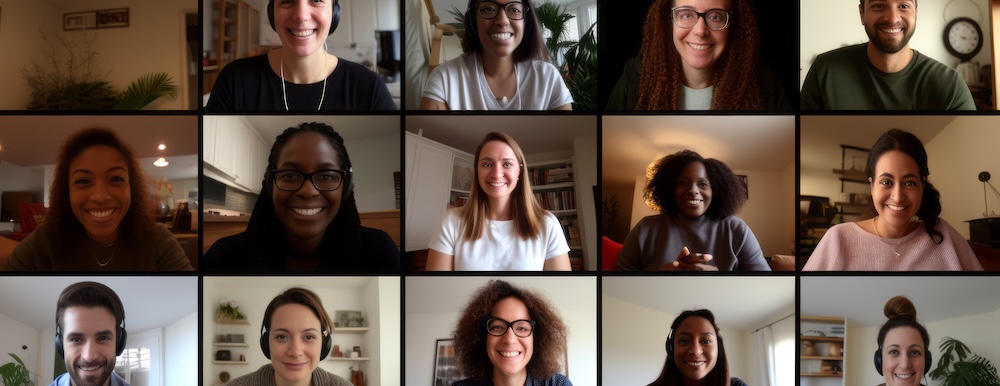
Our virtual IOP produces outcomes identical to in-person treatment. Research confirms that virtual delivery of ERP therapy achieves the same results as face-to-face sessions. Clients participate in individual therapy, exposure practice groups, specialty skills groups, and process groups through secure video connections. The program serves individuals ages 8 and older, making specialized care available for children, adolescents, and adults.
What to Expect from Treatment
Treatment begins with a comprehensive assessment to understand each client’s specific OCD presentation. This includes identifying obsession themes, compulsion types, avoidance patterns, and how symptoms impact daily functioning. Based on this assessment, therapists develop an individualized treatment plan and exposure hierarchy tailored to each person’s needs.
The program includes individual therapy sessions with a primary therapist who provides personalized guidance throughout the 16-week course. Exposure practice groups offer structured opportunities to face fears with therapist support and peer encouragement. Specialty skills groups teach additional tools for managing anxiety. Process groups allow clients to share experiences and learn from others facing similar challenges. The 8:1 client-to-staff ratio ensures substantial individual attention.
What Results Can Aurora Residents Expect?
Evidence-based intensive treatment produces meaningful improvement for most clients who fully engage. Our intensive outpatient program achieves an average 64% symptom reduction for those who complete treatment. With a 79% recovery rate and 92% client and parent satisfaction, our approach demonstrates consistent effectiveness for Aurora area families seeking relief from OCD.
Treatment success means more than reduced symptom scores. Clients report reclaiming hours previously consumed by rituals, returning to activities they had avoided, and experiencing greater freedom in daily choices. Recovery means developing skills to manage OCD long-term, responding differently to intrusive thoughts rather than being controlled by them.
The Path Forward
The 16-week program provides time for gradual progression through increasingly challenging exposures while building a solid foundation of skills. Most clients notice improvement within the first few weeks of consistent practice. By treatment completion, clients have developed the tools and confidence needed to manage OCD independently.
Recovery from OCD means the condition no longer controls daily life. Some individuals become essentially symptom-free, while others may continue experiencing occasional intrusive thoughts that no longer trigger compulsive responses. The goal is freedom from OCD’s grip, achievable for most clients with proper treatment.
Frequently Asked Questions
Is OCD treatment available in Aurora, Colorado?
Yes, our virtual intensive outpatient program provides specialized OCD treatment to residents throughout Aurora, Colorado. The virtual format allows you to access evidence-based care from home while receiving the same quality treatment that produces lasting improvement.
What is the best treatment for OCD?
Exposure and Response Prevention (ERP) is the gold standard treatment for OCD, supported by decades of research. This specialized therapy helps individuals face fears while resisting compulsions, retraining the brain’s response to triggers. Our intensive outpatient program delivers ERP in a concentrated format achieving an average 64% symptom reduction.
How long does OCD treatment take?
Our intensive outpatient program is structured as a 16-week course, with treatment sessions three hours per day, Monday through Friday. This intensive format provides the concentrated practice necessary for meaningful improvement, producing faster results than traditional weekly therapy.
Can OCD be treated without medication?
Yes, many individuals successfully manage OCD through evidence-based therapy alone. Exposure and Response Prevention is highly effective as a standalone treatment and forms the foundation of our program. Treatment approaches are individualized based on each client’s needs.
Does insurance cover OCD treatment in Aurora?
95% of our clients are able to use their insurance for treatment. Our program works with most major insurance providers to make evidence-based OCD treatment accessible to Aurora families.
What ages do you treat for OCD?
Our intensive outpatient program serves individuals ages 8 and older, including children, adolescents, and adults. Treatment is adapted to meet developmental needs while maintaining the evidence-based ERP framework that produces results.
If you or a loved one is struggling with OCD in Aurora, Colorado, effective treatment is available. Our virtual intensive outpatient program provides evidence-based care using Exposure and Response Prevention therapy, helping clients achieve significant symptom reduction. Contact us at 866-303-4227 to learn how our specialized program can help your family find relief from OCD.