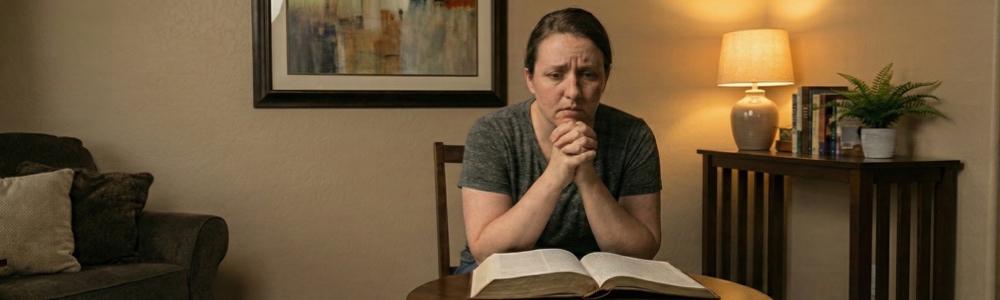

Your heart pounds so hard you’re sure it will explode. You can’t breathe, your body shakes uncontrollably, and you’re absolutely certain you’re dying. Then, 20 minutes later, you’re physically fine but emotionally shattered, terrified of when it will happen again. This is the reality of panic attacks, and if you’re experiencing them, you need to know that specialized anxiety treatment can stop this cycle of terror.
At our Bountiful, Utah intensive outpatient program, we see the devastating impact panic disorder has on people’s lives. The good news? Panic disorder is one of the most treatable anxiety conditions when you get the right help. Understanding what’s really happening during a panic attack is the first step toward freedom.
What’s Actually Happening in Your Body During a Panic Attack
During a panic attack, your body’s alarm system misfires, triggering a massive fight-or-flight response when no real danger exists. Your sympathetic nervous system floods your body with adrenaline, causing intense physical symptoms that feel like a medical emergency. But here’s what most people don’t know: panic attacks, while terrifying, are not dangerous.
The 10-Minute Peak That Feels Like Forever
Panic attacks typically peak within 10 minutes, though they feel endless when you’re experiencing one. Your body physically cannot sustain that level of activation longer—it will naturally calm down. Clients in our Bountiful program learn this crucial fact: if you don’t fight the panic or try to escape, it will pass on its own, usually within 20-30 minutes.
The Physical Symptoms That Convince You Something’s Wrong
Racing heart, chest pain, shortness of breath, dizziness, trembling, sweating, nausea—these symptoms send people to emergency rooms convinced they’re having heart attacks. Many clients from West Bountiful, Centerville, and Woods Cross have visited ERs multiple times before finding our anxiety treatment program. Each normal test result provides temporary relief, but the fear always returns.
Why Your Body Creates These Symptoms
Every panic symptom has a purpose—if you were facing a real threat. Your heart races to pump blood to muscles for fighting or fleeing. You breathe rapidly to increase oxygen. You sweat to cool down during exertion. These responses would help you escape a genuine danger, but during a panic attack, they’re just false alarms that our evidence-based treatment can help you recalibrate.
The Vicious Cycle: Fear of Fear Itself
After your first panic attack, something sinister happens: you become terrified of having another one. This fear of panic attacks—not the attacks themselves—is what creates panic disorder. You start avoiding places where you’ve panicked, monitoring your body for signs of panic, and living in constant dread. The anxiety about anxiety becomes worse than the original problem.
How Avoidance Makes Everything Worse
Maybe you’ve stopped driving on freeways where you once panicked, or you avoid crowded stores, or you always sit near exits “just in case.” These safety behaviors might provide temporary relief, but they reinforce your brain’s belief that panic is dangerous. Our intensive outpatient program uses exposure therapy to break this avoidance cycle safely and effectively.
The Hidden Panic Attacks Nobody Recognizes
Not all panic attacks look like the dramatic portrayals in movies. Some people experience “limited symptom” attacks with just a few symptoms, while others have panic attacks that manifest primarily as dissociation—feeling detached from reality or their own body. These less obvious presentations often go undiagnosed for years.
Nocturnal Panic: When Sleep Isn’t Safe
Imagine being jolted awake by a panic attack in the middle of the night. Nocturnal panic attacks affect many people with panic disorder, making sleep feel dangerous. Clients in our Bountiful, Utah program learn that these nighttime attacks, while frightening, follow the same patterns as daytime panic and respond to the same treatment approaches.
The Surprising Triggers You Never Expected
Exercise, caffeine, excitement, even relaxation—all can trigger panic attacks in sensitive individuals. Your body misinterprets normal physiological arousal as danger. That post-workout heart rate becomes a panic trigger. The excitement before a happy event transforms into panic. Understanding these connections is crucial for effective anxiety treatment.
When Good Things Feel Dangerous
Many people with panic disorder can’t enjoy positive experiences because excitement feels too similar to panic. Birthdays, promotions, vacations—all become sources of dread rather than joy. Through systematic desensitization in our program, clients learn to differentiate between excitement and panic, reclaiming their ability to experience positive emotions.
Why Traditional Coping Strategies Often Backfire
Deep breathing, distraction, positive thinking—these common anxiety tips can actually worsen panic disorder. Why? Because they send the message that panic is dangerous and must be stopped. Our evidence-based approach teaches a counterintuitive truth: the way out of panic is through it, not around it.
The Power of Accepting Panic
In our intensive outpatient program, clients learn to invite panic attacks rather than fight them. This paradoxical approach, based on Exposure and Response Prevention, removes panic’s power. When you stop fearing panic attacks, they lose their grip on your life. Our 64% average symptom reduction rate proves this approach works.
Frequently Asked Questions
Are panic attacks actually dangerous?
No, panic attacks are not dangerous despite feeling like medical emergencies. Your body is designed to handle the physiological changes during panic. While extremely uncomfortable, panic attacks cannot cause heart attacks, strokes, or make you “go crazy.” Understanding this fact is fundamental to successful anxiety treatment.
Can panic disorder develop from just one panic attack?
Many people have isolated panic attacks without developing panic disorder. The disorder develops when you become afraid of having more attacks and start changing your life to avoid them. Our Bountiful, Utah program helps break this fear cycle before it becomes entrenched.
Why do panic attacks happen for no reason?
Panic attacks often seem random, but they’re usually triggered by subtle internal sensations your brain misinterprets as danger. These might be normal body changes from digestion, temperature shifts, or minor stress responses. Treatment helps your brain relearn that these sensations are safe.
Is panic disorder genetic?
Panic disorder has a genetic component, with higher rates in people who have family members with anxiety disorders. However, having genetic predisposition doesn’t mean you’re destined to have panic disorder. Environmental factors and learned behaviors play significant roles, and treatment is equally effective regardless of family history.
Can children have panic attacks?
Yes, children as young as 8 can experience panic attacks and panic disorder. Our program treats young people aged 8 and older, adapting evidence-based anxiety treatment for younger clients. Early intervention prevents years of unnecessary suffering and avoidance.
How quickly does panic disorder treatment work?
Many clients in our intensive outpatient program experience significant improvement within the first few weeks. The concentrated format of three hours daily accelerates progress compared to weekly therapy. Most achieve substantial symptom reduction within our 16-week program.
What’s the difference between panic attacks and anxiety attacks?
Clinically, “anxiety attack” isn’t an official term. Panic attacks are intense, peak quickly, and have specific physical symptoms. General anxiety tends to be less intense but longer-lasting. However, both respond well to evidence-based anxiety treatment in our program.
Panic attacks don’t have to control your life. Understanding what’s really happening in your body and brain during panic is empowering, but knowledge alone isn’t enough. You need evidence-based treatment that teaches you to face panic without fear. Our Bountiful, Utah program has helped hundreds of people overcome panic disorder and reclaim their lives. With a 79% recovery rate and 92% client satisfaction, freedom from panic is not just possible—it’s probable with the right treatment. Call (866) 303-4227 to learn how our intensive outpatient program can help you break free from the prison of panic disorder.