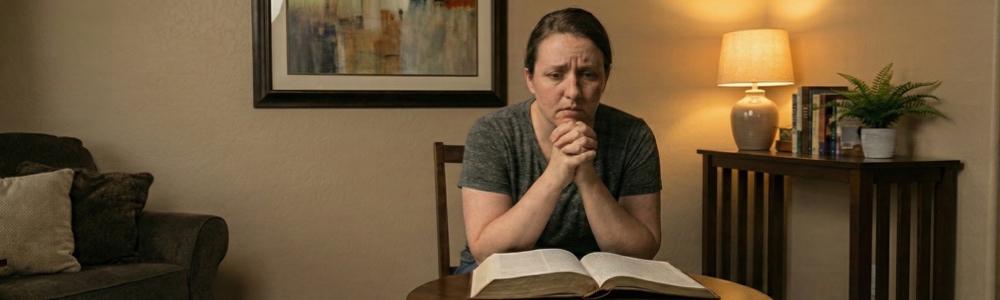
For many residents in Bountiful, Utah and surrounding communities like Centerville and Farmington, faith provides comfort and community. But when religious devotion transforms into excessive worry about spiritual perfection, it may signal religious scrupulosity—a form of OCD that affects countless individuals along the Wasatch Front. At OCD Anxiety Centers in Bountiful, Utah, we understand the unique challenges of navigating faith-based OCD within religious communities.
Religious scrupulosity involves intrusive thoughts about sin, morality, and spiritual worthiness that go far beyond normal religious devotion. Our intensive outpatient program in Bountiful, Utah serves individuals ages 8 and older who struggle with these overwhelming religious fears, offering evidence-based treatment that respects both mental health needs and personal faith traditions.
What Exactly is Religious Scrupulosity OCD?
Religious scrupulosity represents a specific manifestation of obsessive-compulsive disorder where individuals experience persistent, intrusive thoughts about violating religious or moral principles. Unlike healthy religious practice, scrupulosity creates excessive anxiety about everyday actions and thoughts, leading to constant doubt about one’s spiritual standing.
How Religious OCD Differs from Normal Faith Practice
While devoted individuals might spend time in prayer and reflection, those with religious scrupulosity experience hours of mental anguish over perceived spiritual failures. The distinction lies not in the content of beliefs but in the intensity of distress and the compulsive behaviors that follow. A person with scrupulosity might repeat prayers dozens of times, convinced they haven’t done them “perfectly” enough.
Common Intrusive Thoughts in Religious Scrupulosity
Intrusive thoughts in religious OCD often center on fears of committing unforgivable sins, blasphemous thoughts, or concerns about not being devout enough. These unwanted thoughts are particularly distressing because they contradict the person’s actual values and beliefs. Someone might experience vivid, unwanted images during prayer or worry excessively about having impure motivations for good deeds.
The Impact on Daily Religious Life
Religious scrupulosity can severely impact participation in faith communities. Many individuals avoid religious services, scripture reading, or even casual conversations about faith due to overwhelming anxiety. This avoidance creates a painful paradox where the very activities meant to bring spiritual comfort become sources of intense distress.
Why Does Religious Scrupulosity Develop in Utah Communities?
Utah’s strong religious culture, while providing valuable community support, can sometimes inadvertently contribute to scrupulosity development in vulnerable individuals. The emphasis on spiritual excellence and moral living, combined with genetic predisposition to OCD, creates conditions where religious scrupulosity can flourish.
The Role of Community Expectations
In communities throughout Northern Utah, from Bountiful to Woods Cross, high religious standards can trigger perfectionistic tendencies in those prone to OCD. The desire to meet community expectations becomes amplified into an impossible standard of spiritual perfection that no human can achieve.
Understanding the False Alarm System
Religious scrupulosity operates on the same “false alarm” principle as other forms of OCD. The brain misinterprets normal religious thoughts or minor imperfections as catastrophic spiritual failures. This misfiring alarm system creates intense anxiety that demands immediate neutralization through compulsive behaviors like excessive confession or repeated prayers.
How is Religious Scrupulosity Treated Effectively?
Treatment for religious scrupulosity involves specialized approaches that respect faith while addressing the OCD symptoms. Our Bountiful, Utah program uses Exposure and Response Prevention (ERP), the gold standard for OCD treatment, adapted specifically for religious concerns.
Evidence-Based Treatment Approaches
ERP for religious scrupulosity involves gradually facing feared religious situations without performing compulsive rituals. This might include reading scripture without re-reading for “perfect” understanding, or attending religious services while resisting the urge to mentally review every thought for sinfulness. Our program achieves an average 64% symptom reduction through these evidence-based methods.
The Role of Intensive Outpatient Treatment
Our intensive outpatient program provides three hours of daily treatment, Monday through Friday, allowing for concentrated work on religious scrupulosity while maintaining daily life routines. This format proves particularly effective for scrupulosity, as clients can immediately practice skills in their actual religious environments throughout Bountiful, Utah and neighboring communities.
Family Involvement in Recovery
Family support plays a crucial role in treating religious scrupulosity. Our program includes family education about OCD and guidance on supporting recovery without inadvertently reinforcing compulsions. Parents learn to distinguish between healthy religious practice and OCD-driven behaviors, creating a supportive home environment for healing.
What Makes Treatment Different from Spiritual Counseling?
While spiritual counseling addresses faith questions, OCD treatment targets the underlying brain mechanism causing excessive religious anxiety. Understanding this distinction helps individuals seek appropriate care without feeling they’re betraying their faith.
Addressing the Brain’s Misfire
Religious scrupulosity isn’t a spiritual problem—it’s a treatable medical condition involving brain circuitry. Just as someone with diabetes needs medical treatment alongside prayer, those with religious OCD benefit from evidence-based mental health treatment that addresses the neurological basis of their symptoms.
Maintaining Faith During Treatment
Effective treatment for religious scrupulosity doesn’t diminish faith or encourage abandoning religious practice. Instead, it helps individuals distinguish between authentic spiritual conviction and OCD-driven anxiety, often leading to a more peaceful and genuine religious life.
Frequently Asked Questions
Can someone be too young to have religious scrupulosity?
Religious scrupulosity can affect individuals as young as 8 years old, which is why our Bountiful, Utah program accepts clients starting at this age. Early intervention proves particularly effective, as younger clients often respond well to evidence-based treatment before patterns become deeply entrenched.
Will treatment for religious OCD weaken my faith or make me less religious?
Treatment for religious scrupulosity actually helps separate genuine faith from OCD-driven compulsions. Our evidence-based approach respects individual beliefs while addressing the anxiety and compulsive behaviors that interfere with authentic religious practice. Many clients report feeling closer to their faith after treatment.
How long does treatment for religious scrupulosity typically take?
Our intensive outpatient program typically runs for 16 weeks, though individual needs vary. The concentrated format of three hours daily allows for faster progress than traditional weekly therapy, with many clients experiencing significant improvement within the first few weeks.
Is religious scrupulosity OCD covered by insurance in Utah?
Yes, 95% of our clients are able to use insurance for treatment. Religious scrupulosity, as a form of OCD, is recognized as a medical condition covered by most insurance plans. Our Bountiful, Utah program works with various insurance providers throughout the state.
Can religious leaders or clergy be involved in the treatment process?
With client permission, we can collaborate with religious leaders to ensure treatment aligns with faith practices while maintaining therapeutic boundaries. This collaboration helps create a comprehensive support system that addresses both mental health and spiritual needs.
What areas does the Bountiful program serve for religious OCD treatment?
Our Bountiful, Utah location serves communities throughout Davis County and northern Salt Lake County, including West Bountiful, Woods Cross, Centerville, North Salt Lake, Farmington, Fruit Heights, Kaysville, Holladay, and Taylorsville. Many families find the location convenient for daily intensive treatment.
How do I know if it’s religious scrupulosity or just strong faith?
Religious scrupulosity involves excessive distress, hours of daily worry about spiritual matters, and compulsive behaviors that interfere with daily life. If religious thoughts cause significant anxiety or lead to repetitive behaviors like excessive prayer or confession, it may indicate OCD rather than typical religious devotion.
Living with religious scrupulosity can feel isolating, especially in faith-centered communities. However, effective treatment exists, and recovery is possible. Our Bountiful, Utah program combines evidence-based OCD treatment with respect for individual faith traditions, helping clients reclaim both mental health and authentic spiritual practice. Contact our Bountiful, Utah program at 866-303-4227 to learn how intensive outpatient treatment can help you or your loved one find freedom from religious OCD while maintaining meaningful faith connections.