The intensive OCD treatment program based in Carlsbad, California has discovered something remarkable: virtual treatment produces identical outcomes to in-person care, with both formats achieving the same 67% symptom reduction rate. This finding challenges assumptions about what effective OCD treatment requires and expands access to specialized care throughout Southern California and beyond.
For families weighing options between virtual and in-person treatment, understanding that both approaches deliver equal results empowers informed decision-making based on practical considerations rather than concerns about effectiveness. The data clearly shows that quality OCD treatment depends on evidence-based protocols and expert delivery, not physical presence.
Why Do Virtual and In-Person Produce Equal Results?
The core components that make OCD treatment effective translate seamlessly to virtual delivery. Exposure and response prevention exercises, the foundation of successful treatment, work equally well whether guided in-person or through video sessions. The therapeutic relationship, crucial for treatment success, develops just as strongly through consistent virtual interaction.
Both formats provide three hours of daily treatment, Monday through Friday, maintaining the intensity necessary for breaking OCD patterns. Virtual sessions include the same individual therapy, group components, and family involvement that characterize in-person treatment.
Advantages Unique to Virtual Treatment
Surprisingly, virtual OCD treatment offers certain advantages. Clients complete exposures in their actual home environments where symptoms typically occur, potentially enhancing skill transfer. The comfort of starting treatment from home may reduce initial resistance, helping anxious clients engage more readily.
Benefits of In-Person Treatment
In-person treatment in Carlsbad, California provides immediate human connection and the therapeutic milieu of being physically present with others facing similar challenges. Some clients find the structure of traveling to treatment helpful for maintaining focus and commitment.
How Does Virtual Treatment Handle Exposure Exercises?
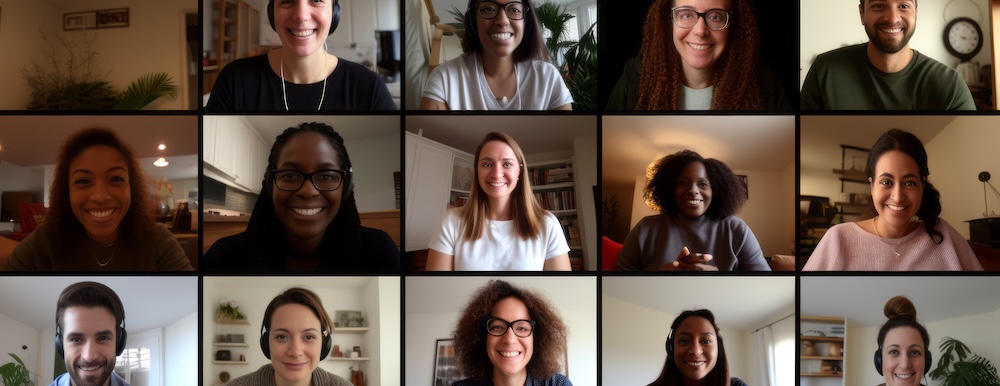
Skeptics often wonder how exposure therapy works virtually, but the format actually facilitates creative and effective exposures. Therapists guide clients through exercises using household items, digital resources, and real-life situations accessible from home. Screen sharing enables therapists to witness exposures directly, providing real-time coaching.
For contamination OCD, clients might touch “contaminated” surfaces in their homes. For intrusive thoughts, writing or verbal exercises work identically virtual or in-person. Social anxiety exposures utilize video interaction itself as therapeutic practice.
Group Dynamics in Virtual Settings
Virtual groups develop strong cohesion and support, with many clients reporting feeling more comfortable sharing initially through screens. The shared experience of OCD transcends physical distance, creating meaningful connections that support recovery.
What Factors Should Guide Format Choice?
Since both formats produce equal clinical outcomes, families can choose based on practical considerations. Distance from Carlsbad, work schedules, childcare needs, and personal preferences all become valid decision factors when effectiveness is equal.
Some families start with virtual treatment to reduce initial barriers, then transition to in-person as comfort grows. Others begin in-person for structure, then switch to virtual for convenience. The program’s flexibility accommodates individual needs while maintaining treatment quality.
Insurance Coverage for Both Formats
With 95% of clients able to use insurance, both virtual and in-person treatment remain financially accessible. Insurance companies increasingly recognize virtual treatment’s effectiveness, providing equal coverage for both formats.
Who Benefits Most from Each Format?
Virtual treatment particularly suits those living far from Carlsbad, California, busy professionals needing scheduling flexibility, parents managing multiple children, and individuals with transportation challenges. The format also benefits those whose OCD creates barriers to leaving home.
In-person treatment may better serve those needing physical separation between home and treatment, individuals with limited private space for virtual sessions, or clients who find technology challenging. Some simply prefer face-to-face interaction.
Combining Formats for Optimal Results
The program’s 79% recovery rate includes clients who utilized both formats during their treatment journey. This flexibility ensures continuous progress regardless of changing circumstances.
Frequently Asked Questions
Is the 67% symptom reduction really the same for virtual and in-person?
Yes, outcome data confirms identical symptom reduction rates for both formats. Virtual IOP produces the same measurable improvements as traditional in-person treatment.
Can children and teens do virtual OCD treatment effectively?
Absolutely. Young clients often adapt quickly to virtual formats, and parents can more easily participate in treatment components when sessions occur at home.
How do therapists ensure engagement in virtual sessions?
Virtual sessions use interactive techniques, regular check-ins, and varied activities to maintain engagement. The structured format and therapeutic relationship foster participation regardless of delivery method.
What if someone starts one format but wants to switch?
The Carlsbad program accommodates format changes as needed. Clients can transition between virtual and in-person treatment while maintaining continuity of care.
Do virtual groups feel less connected than in-person?
Research and client feedback indicate that virtual groups develop equally strong connections. Shared experiences and consistent interaction create bonds that transcend physical distance.
How does virtual treatment maintain privacy for exposures?
Clients choose private spaces for sessions, and therapists guide exposures sensitively. The virtual format often provides more privacy than group in-person settings.
Which format has better long-term outcomes?
Both formats show equivalent long-term success rates. The 79% recovery rate applies equally to virtual and in-person participants.
The surprising equality between virtual and in-person OCD treatment from Carlsbad, California means families can choose based on what works best for their lives rather than worrying about compromising effectiveness. Whether connecting virtually or attending in-person, clients receive the same evidence-based treatment that produces life-changing results. Contact the admissions team to discuss which format might work best for your journey to OCD recovery.