Learning Center
Welcome to the Learning Center at OCD Anxiety Centers, your comprehensive resource for understanding and managing obsessive-compulsive disorder (OCD) and anxiety-related conditions. Our mission is to equip individuals aged eight and older with evidence-based tools and techniques to significantly reduce symptoms and enhance quality of life. Through our Intensive Outpatient Program (IOP), we offer personalized, exposure-based therapies that have consistently led to remarkable client success, with an average symptom reduction of 64%. In this Learning Center, you’ll find a wealth of articles and information designed to support your journey toward recovery and well-being.

When Reassurance Becomes a Trap for Families
Every parent wants to ease their child’s worry, and offering reassurance is one of the most natural responses when a child is anxious. But for families living with anxiety disorders or OCD, reassurance can quickly shift from a comforting gesture to a compulsive cycle that strengthens the very fears it is meant to calm. Understanding how reassurance becomes a trap is essential for parents who want to support their child’s recovery through evidence-based approaches like Exposure and Response Prevention (ERP).

Why Avoiding Anxiety Makes It Stronger: What Parents Should Know
Anxiety in children is one of the most common mental health challenges families face today, and one of the most misunderstood. When a child feels anxious, a parent’s first instinct is often to help them avoid whatever is causing the distress. While this response comes from a place of love, avoidance actually reinforces anxiety and makes it stronger over time. Understanding how avoidance fuels the anxiety cycle is the first step toward helping children break free from its grip through evidence-based treatment like Exposure and Response Prevention (ERP).

My Anxiety Is Ruining My Life — When Is It Time to Get Intensive Help?
There is a moment many people with anxiety recognize: the realization that anxiety is no longer something you experience occasionally but something that shapes every decision, relationship, and routine in your life. When anxiety reaches this level, weekly therapy sessions may not be enough to create the meaningful change you need. Understanding when it is time to step up to a more intensive level of care is one of the most important decisions a person with an anxiety disorder can make. Evidence-based intensive treatment through Exposure and Response Prevention (ERP) has helped thousands of individuals move from surviving to thriving.

The Anxiety Loop: Why Avoidance Makes Everything Worse
Avoidance feels like the most logical response to anxiety. If a situation makes you anxious, staying away from it seems like the obvious solution. But avoidance is not a solution. It is the engine that keeps anxiety running, and for people with anxiety disorders, it is the single most important pattern to understand and break. Evidence-based treatment through Exposure and Response Prevention (ERP) targets this avoidance cycle directly, helping individuals achieve lasting symptom reduction rather than temporary relief that makes the problem worse over time.

You’re Not Shy — You Have Social Anxiety: What No One Told You
Social anxiety disorder is one of the most common anxiety disorders, yet it remains one of the most frequently dismissed. Many people who live with intense fear of social judgment spend years believing they are simply shy, introverted, or awkward. But social anxiety disorder is not a personality trait. It is a clinical condition that causes persistent, overwhelming fear of social situations, and it responds remarkably well to evidence-based treatment. Understanding the difference between shyness and social anxiety can be the turning point that leads someone from years of silent struggle to real, lasting relief.
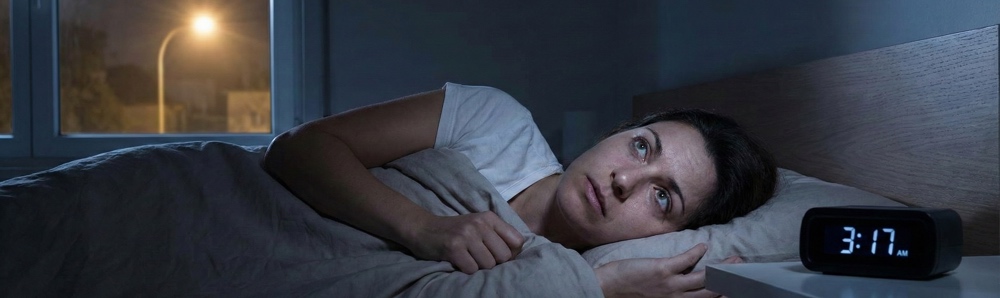
Why Your Anxiety Gets Worse at Night (and What Actually Helps)
For many people living with anxiety, nighttime is the hardest part of the day. The distractions that kept anxious thoughts at bay during work or school disappear the moment the lights go off, and suddenly the mind is racing through worst-case scenarios, unresolved worries, and fears that feel magnified in the quiet. Nighttime anxiety is more than an inconvenience. It disrupts sleep, compounds daytime symptoms, and can make the entire anxiety cycle feel inescapable. Understanding why this pattern occurs and what evidence-based approaches actually help is essential for breaking free from it.

What If It’s Not Just a Quirk? How to Know When It’s Really OCD
Obsessive-compulsive disorder (OCD) is one of the most misunderstood mental health conditions. Phrases like “I’m so OCD” have become casual shorthand for being organized or particular, but real OCD is far more disruptive and distressing than a preference for neatness. For millions of people, OCD involves relentless intrusive thoughts, overwhelming anxiety, and compulsive behaviors that consume hours each day. Recognizing the difference between a personality quirk and a clinical condition is essential, because effective evidence-based treatment can dramatically change the course of someone’s life.

I Can’t Stop Checking: When OCD Takes Over Your Daily Routine
Obsessive-compulsive disorder (OCD) often disguises itself as caution, responsibility, or thoroughness. Checking the door one more time, re-reading an email before sending, or circling back to make sure the stove is off might seem reasonable on the surface. But when these behaviors consume hours of your day and feel impossible to resist, something deeper is at work. Evidence-based treatment through Exposure and Response Prevention (ERP) has helped countless individuals break free from the checking cycle and reclaim their daily lives.

Understanding Religious Scrupulosity in Children: When Faith Becomes Fear
Religiosity, considered the heartfelt engagement in one’s faith and spiritual practices, is a deeply meaningful part of many people’s lives. For children, learning religious rituals, beliefs, and moral frameworks can provide comfort, community, and structure. Yet for some young people, religious belief becomes tangled with anxiety in a way that becomes. Religion is no longer a source of stability and comfort; instead, it is something that hinders the ability to function. This condition is called religious scrupulosity, a subset of obsessive-compulsive disorder (OCD) that centers on religious and moral fears.

New Year’s Resolutions and OCD: Setting Goals That Actually Support Healing
The start of a new year often comes with a familiar mix of hope and pressure. Social media is filled with declarations of bold resolutions: “This is the year I fix everything.” For people living with Obsessive-Compulsive Disorder (OCD), that pressure can feel especially heavy. When your mind already demands certainty, perfection, or total control, New Year’s resolutions can quietly turn into another arena for self-criticism.