Learning Center
Welcome to the Learning Center at OCD Anxiety Centers, your comprehensive resource for understanding and managing obsessive-compulsive disorder (OCD) and anxiety, and trauma-related. conditions. Our mission is to equip individuals aged eight and older with evidence-based tools and techniques to significantly reduce symptoms and enhance quality of life. Through our Intensive Outpatient Program (IOP), we offer personalized, exposure-based therapies that have consistently led to remarkable client success, with an average symptom reduction of 67%. In this Learning Center, you’ll find a wealth of articles and information designed to support your journey toward recovery and well-being.
How Virtual IOP Treatment Looks Specifically for Anxiety and OCD
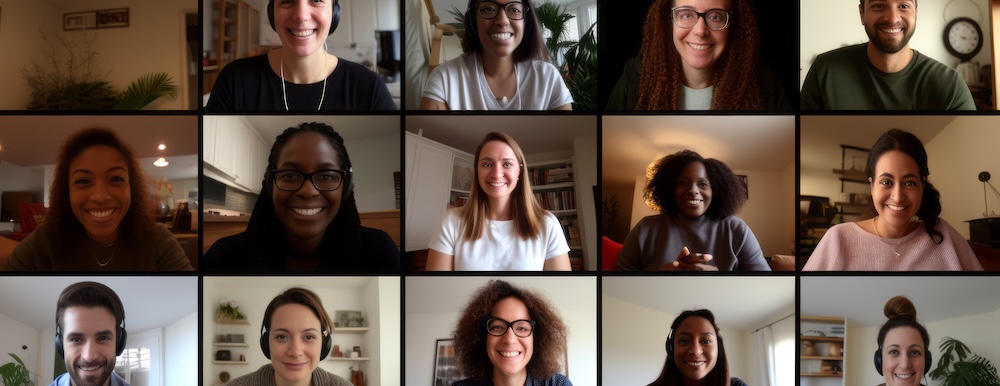
Virtual IOP treatment offers structured, evidence-based mental health care through secure online platforms while allowing participants to remain at home and continue many aspects of daily life. Although virtual treatment may not be the right fit for everyone, growing evidence suggests it can be an effective and accessible option for many people, including those specifically experiencing anxiety disorders and OCD.
Virtual IOP Treatment for Anxiety and OCD: What It Is and Why it Works
When anxiety or obsessive-compulsive disorder (OCD) begins interfering with daily life, weekly therapy may not feel like enough support. Yet for many, inpatient or residential treatment can feel too intensive, too disruptive, or simply inaccessible. This is often where Intensive Outpatient Programs (IOPs) fit into the continuum of care, programs which are now being offered virtually in many cases.
Why Does My Anxiety Get Worse at Night?
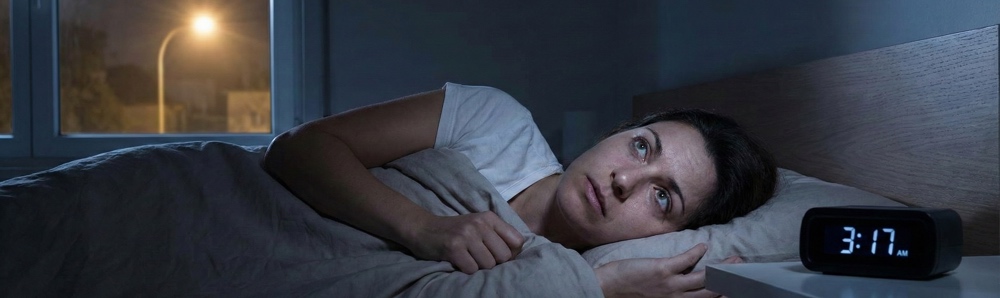
The day finally winds down, the lights go off, the head hits the pillow, and the brain takes that as a starting gun. Worries that were manageable at noon suddenly feel urgent at midnight. Old conversations replay. New worries volunteer themselves. The body that should be settling into sleep instead becomes more alert, more tense, more awake. Nighttime anxiety is one of the most common patterns we hear from clients, and it is not in your head in the dismissive sense. It is a predictable interaction between circadian biology, sleep architecture, and the way the anxiety system actually works. At OCD Anxiety Centers, we treat the anxiety disorders that drive this pattern through Exposure and Response Prevention (ERP) and related evidence-based approaches in our 16-week intensive outpatient program.

Generalized Anxiety Disorder vs Normal Worry: How to Tell the Difference
Worry is a normal part of being human. Everyone has bills to think about, decisions to weigh, futures to plan, and people to care about. The line between the worry that comes with being a thoughtful adult and the worry that constitutes a clinical disorder is not always obvious, which is part of why generalized anxiety disorder (GAD) is one of the most underdiagnosed conditions in mental health. People assume their worry is just how they are wired, or how anyone would think given their circumstances. At OCD Anxiety Centers, we treat GAD through Exposure and Response Prevention (ERP) and related evidence-based approaches in our 16-week intensive outpatient program. Recognizing the difference between worry and GAD is often what unlocks the door to treatment.

What Is Social Anxiety Disorder? Symptoms and Treatment
Social anxiety disorder is one of the most common anxiety conditions and one of the most underdiagnosed. People who have it often spend years assuming they are simply shy, introverted, or “not a people person,” when in fact they are dealing with a clinical disorder that distorts the way the brain interprets social situations. The cost shows up in missed opportunities, narrowed careers, lonely weekends, and the persistent low hum of dreading the next interaction. At OCD Anxiety Centers, we treat social anxiety disorder through Exposure and Response Prevention (ERP) and related evidence-based approaches in our 16-week intensive outpatient program.

High-Functioning Anxiety: What It Looks Like and How It’s Treated
High-functioning anxiety is the version that hides in plain sight. The person hitting every deadline, organizing every event, taking every call, never missing a meeting, and quietly running on a near-constant internal alarm system that no one around them sees. From the outside it looks like ambition or competence. From the inside it feels like running uphill carrying something that gets heavier every year. At OCD Anxiety Centers, we treat the underlying anxiety disorders that high-functioning anxiety usually masks, through Exposure and Response Prevention (ERP) and related evidence-based approaches in our 16-week intensive outpatient program.

Signs Your Anxiety Needs Professional Treatment
Most people live with some level of anxiety their whole lives without ever needing clinical care. The harder question is when anxiety stops being ordinary stress and starts being a disorder that warrants treatment. The signs are quieter than people expect. They are usually not a single dramatic episode. They are the slow accumulation of avoidance, exhaustion, and shrinking life that creeps in over months or years until ordinary days feel like climbing a hill. At OCD Anxiety Centers, we treat anxiety disorders through Exposure and Response Prevention (ERP) and related evidence-based approaches in our 16-week intensive outpatient program. This article covers the specific signs that point toward needing professional treatment, and why the threshold is lower than most people assume.

Panic Attack vs Anxiety Attack: What’s the Difference?
People use “panic attack” and “anxiety attack” interchangeably, but only one of these is a clinical term. Panic attack is a defined diagnostic event with specific criteria, sudden onset, and a predictable physiological pattern. Anxiety attack is a colloquial term that describes a broader range of intense anxiety episodes that may or may not meet panic attack criteria. The distinction matters because the experiences are different, the treatment focus can differ, and getting the language right helps clinicians match the right approach to what is actually happening. At OCD Anxiety Centers, we treat panic disorder and related anxiety conditions through Exposure and Response Prevention (ERP) in our 16-week intensive outpatient program.

What Are the Physical Symptoms of Anxiety?
Anxiety is often described as a feeling, but for many people, it shows up first in the body. Racing heart, tight chest, shaky hands, churning stomach, dizziness, shortness of breath, headaches that will not quit. These are not imagined sensations. They are real physiological events driven by the body’s stress response, and they are often what sends people to emergency rooms long before they reach a mental health provider. At OCD Anxiety Centers, we treat anxiety disorders through Exposure and Response Prevention (ERP) and related evidence-based approaches in our 16-week intensive outpatient program. Recognizing the physical signs of anxiety is often the first step toward addressing what is actually happening.

ERP Therapy vs Talk Therapy for OCD: What’s the Difference?
If you have been in talk therapy for OCD and feel like you are running in place, the issue is probably not you, your therapist, or your effort. It is the treatment model. Traditional talk therapy and Exposure and Response Prevention (ERP) are fundamentally different approaches, and decades of research have made it clear which one works for OCD. At OCD Anxiety Centers, ERP is delivered through our 16-week intensive outpatient program, which produces an average 67% symptom reduction and a 79% recovery rate. Understanding the difference between the two approaches is one of the most important decisions a person with OCD can make about their care.