
Learning Center
Welcome to the Learning Center at OCD Anxiety Centers, your comprehensive resource for understanding and managing obsessive-compulsive disorder (OCD) and anxiety, and trauma-related. conditions. Our mission is to equip individuals aged eight and older with evidence-based tools and techniques to significantly reduce symptoms and enhance quality of life. Through our Intensive Outpatient Program (IOP), we offer personalized, exposure-based therapies that have consistently led to remarkable client success, with an average symptom reduction of 67%. In this Learning Center, you’ll find a wealth of articles and information designed to support your journey toward recovery and well-being.

You’re Not Shy — You Have Social Anxiety: What No One Told You
Social anxiety disorder is one of the most common anxiety disorders, yet it remains one of the most frequently dismissed. Many people who live with intense fear of social judgment spend years believing they are simply shy, introverted, or awkward. But social anxiety disorder is not a personality trait. It is a clinical condition that causes persistent, overwhelming fear of social situations, and it responds remarkably well to evidence-based treatment. Understanding the difference between shyness and social anxiety can be the turning point that leads someone from years of silent struggle to real, lasting relief.
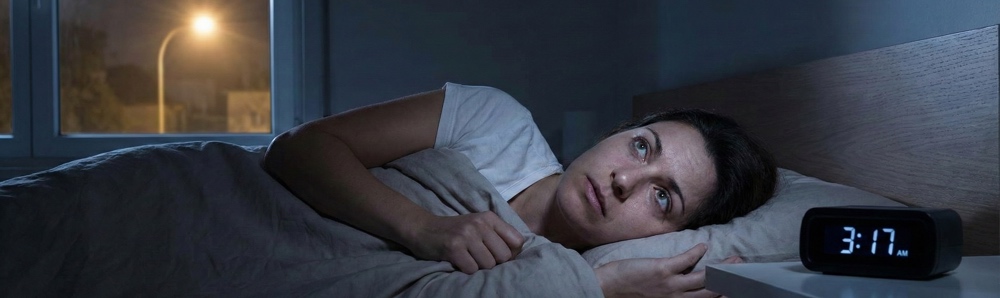
Why Your Anxiety Gets Worse at Night (and What Actually Helps)
For many people living with anxiety, nighttime is the hardest part of the day. The distractions that kept anxious thoughts at bay during work or school disappear the moment the lights go off, and suddenly the mind is racing through worst-case scenarios, unresolved worries, and fears that feel magnified in the quiet. Nighttime anxiety is more than an inconvenience. It disrupts sleep, compounds daytime symptoms, and can make the entire anxiety cycle feel inescapable. Understanding why this pattern occurs and what evidence-based approaches actually help is essential for breaking free from it.

What If It’s Not Just a Quirk? How to Know When It’s Really OCD
Obsessive-compulsive disorder (OCD) is one of the most misunderstood mental health conditions. Phrases like “I’m so OCD” have become casual shorthand for being organized or particular, but real OCD is far more disruptive and distressing than a preference for neatness. For millions of people, OCD involves relentless intrusive thoughts, overwhelming anxiety, and compulsive behaviors that consume hours each day. Recognizing the difference between a personality quirk and a clinical condition is essential, because effective evidence-based treatment can dramatically change the course of someone’s life.
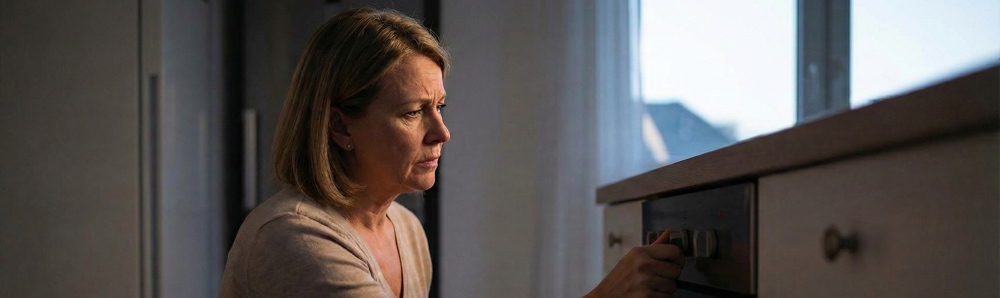
I Can’t Stop Checking: When OCD Takes Over Your Daily Routine
Obsessive-compulsive disorder (OCD) often disguises itself as caution, responsibility, or thoroughness. Checking the door one more time, re-reading an email before sending, or circling back to make sure the stove is off might seem reasonable on the surface. But when these behaviors consume hours of your day and feel impossible to resist, something deeper is at work. Evidence-based treatment through Exposure and Response Prevention (ERP) has helped countless individuals break free from the checking cycle and reclaim their daily lives.

Understanding Religious Scrupulosity in Children: When Faith Becomes Fear
Religiosity, considered the heartfelt engagement in one’s faith and spiritual practices, is a deeply meaningful part of many people’s lives. For children, learning religious rituals, beliefs, and moral frameworks can provide comfort, community, and structure. Yet for some young people, religious belief becomes tangled with anxiety in a way that becomes. Religion is no longer a source of stability and comfort; instead, it is something that hinders the ability to function. This condition is called religious scrupulosity, a subset of obsessive-compulsive disorder (OCD) that centers on religious and moral fears.

New Year’s Resolutions and OCD: Setting Goals That Actually Support Healing
The start of a new year often comes with a familiar mix of hope and pressure. Social media is filled with declarations of bold resolutions: “This is the year I fix everything.” For people living with Obsessive-Compulsive Disorder (OCD), that pressure can feel especially heavy. When your mind already demands certainty, perfection, or total control, New Year’s resolutions can quietly turn into another arena for self-criticism.

It’s Okay to Need to Recover: What to Do After Feeling Overwhelmed by Visiting Family
Visiting family you do not see often brings connection, nostalgia, and meaningful moments for many. It can also be one of the most emotionally and cognitively taxing experiences, especially for someone living with Obsessive-Compulsive Disorder (OCD). Long visits often combine disrupted routines, heightened emotions, unfamiliar environments, and interpersonal dynamics that can amplify intrusive thoughts or compulsive urges. Even when the visit goes “well,” many people notice a spike in symptoms afterward.

New Year’s Resolutions After OCD Treatment: Turning Skills Into a Way of Life
Completing an OCD treatment program is a major accomplishment. You have learned skills many people never have to face: how to sit with uncertainty, how to resist compulsions, and how to move toward your values even when anxiety is loud. As an alum, you likely know that finishing treatment does not mean OCD disappears. It means you now have tools and experience to respond differently.

Recovering after the Holidays
The holiday season can be one of the most emotionally rich yet psychologically challenging times of the year, especially for someone with Obsessive-Compulsive Disorder (OCD). What begins as a sequence of celebrations, travel, decorations, family obligations, social dinners, gift exchanges, and disrupted routines can leave many people feeling unmoored once the holidays end. For those with OCD, these disruptions do not just fade when the decorations come down. They can trigger symptom spikes that linger long after the season has passed.

Why Reassuring Your Anxious Child Might Be Making Things Worse
When your child is anxious, your instinct to reassure them comes from a place of love. You want to ease their suffering, calm their fears, and help them feel safe. So you tell them everything will be okay, answer their worried questions, and provide comfort when anxiety strikes. But here is the difficult truth that many parents discover: while reassurance feels helpful in the moment, it often makes anxiety worse over time. Understanding why this happens can transform how you support your anxious child and help them build genuine resilience.