
Body dysmorphic disorder (BDD) and severe body image issues affect countless Logan, Utah residents, creating daily struggles often hidden from friends and family. The preoccupation with perceived physical flaws can consume hours each day, whether through mirror checking, seeking reassurance, or avoiding social situations entirely. In a community with Utah State University’s active campus culture and Cache Valley’s outdoor lifestyle, body image concerns can feel particularly isolating and shameful.
Virtual intensive outpatient programs (IOP) now offer Logan residents specialized treatment for body dysmorphia and body image issues without requiring travel to distant specialists. Through evidence-based online therapy, our program delivers 15 hours of focused treatment weekly, helping clients achieve an average 64% reduction in symptoms. This innovative approach brings expert care to Cache Valley, providing hope for those who’ve suffered silently with appearance-related distress.
What is Body Dysmorphic Disorder and How Does It Affect Logan Residents?
Body dysmorphic disorder involves intense preoccupation with imagined or slight defects in physical appearance. Logan residents with BDD might spend hours examining their appearance, attempting to hide perceived flaws, or seeking reassurance that often never satisfies. Common concerns include facial features, skin, hair, body shape, or specific body parts. The distress is genuine and severe, even when others cannot see the supposed flaw.
In Logan’s close-knit community, BDD creates unique challenges. Utah State students might avoid campus activities, skip classes on “bad appearance days,” or spend excessive time preparing for public outings. Professionals may turn down opportunities requiring visibility. The shame and secrecy surrounding BDD often prevent Cache Valley residents from seeking help, leading to years of unnecessary suffering.
Beyond Normal Appearance Concerns
Everyone has days of feeling less attractive, but BDD goes far beyond typical insecurities. Logan residents with body dysmorphia experience significant functional impairment. They might arrive hours late after repeated outfit changes, miss work due to “bad skin days,” or avoid dating despite longing for connection. Without treatment, BDD typically worsens, consuming increasing time and mental energy.
How Does Virtual IOP Address Body Image Issues Effectively?
Virtual intensive outpatient treatment provides specialized interventions proven effective for BDD and body image disorders. Meeting three hours daily, Monday through Friday, the program creates momentum for change that weekly therapy rarely achieves. Logan residents benefit from consistent support while learning to challenge distorted perceptions and reduce compulsive behaviors.
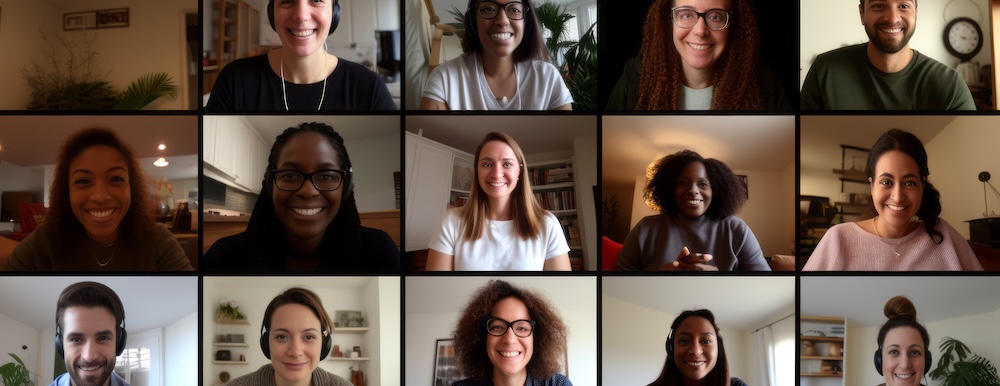
The virtual format offers unique advantages for body image treatment. Starting from home reduces appearance-related anxiety about attending treatment. Cache Valley residents can control their environment initially, gradually working on video comfort as part of therapy. This approach often engages clients more effectively than traditional in-person treatment where appearance anxiety might prevent full participation.
Evidence-Based Techniques for Body Image
Our program utilizes Cognitive Behavioral Therapy specifically adapted for BDD, helping Logan residents identify and challenge appearance-related thoughts. Exposure Response Prevention addresses avoidance and checking behaviors systematically. Mirror retraining exercises teach objective self-viewing rather than biased scrutiny. With a 79% recovery rate, these specialized techniques demonstrate that freedom from body image preoccupation is achievable.
What Specific Treatments Help Cache Valley Residents?
Virtual IOP combines individual therapy, group sessions, and specialized workshops targeting body image concerns. Individual therapy allows Logan residents to explore personal triggers and develop customized strategies. Many clients discover connections between perfectionism, past experiences, and current body image distress. This understanding, combined with practical tools, creates lasting change.
Group therapy connects Cache Valley residents with others experiencing similar struggles across Utah. The relief of discovering you’re not alone in these experiences cannot be overstated. Groups provide safe spaces to practice self-compassion, challenge appearance assumptions, and support others’ recovery. Many Logan residents form lasting connections that extend beyond treatment.
Values-Based Living
Treatment extends beyond symptom reduction to building meaningful lives. Logan residents learn to identify values beyond appearance and pursue activities aligned with these values. Whether returning to outdoor activities in Logan Canyon, engaging fully at Utah State, or strengthening relationships, clients rediscover life beyond appearance preoccupation. This shift from appearance-focused to values-based living creates sustainable recovery.
How Does Virtual Treatment Work for Different Presentations?
Body image issues manifest differently across individuals. Some Logan residents struggle with muscle dysmorphia, constantly feeling too small despite adequate or even excessive muscle mass. Others focus on facial features, skin, or overall body shape. Virtual IOP addresses all presentations with specialized interventions tailored to specific concerns while addressing underlying processes maintaining the disorder.
Age-specific considerations ensure appropriate treatment for all Cache Valley residents. Teenagers navigate social media pressures and peer comparisons with targeted support. Utah State students address campus-specific triggers while building identity beyond appearance. Adults overcome years of limitation, often expressing amazement at time reclaimed from appearance preoccupation.
Addressing Co-occurring Conditions
Body image issues often co-occur with other anxiety disorders, OCD, or social anxiety. Our integrated approach addresses these overlapping concerns simultaneously. Logan residents benefit from comprehensive treatment recognizing how different symptoms interact and reinforce each other. This holistic approach produces more complete recovery than treating conditions separately.
Why Choose Virtual IOP Over Other Options?
Many Logan residents have tried various approaches with limited success. General therapy may provide support but often lacks specialized BDD techniques. Online self-help resources offer tips but cannot provide intensive, personalized treatment. Virtual IOP bridges this gap, delivering expert care previously available only in major metropolitan areas.
The program’s intensity creates breakthrough moments impossible with weekly sessions. Daily engagement prevents the backsliding common between appointments. Logan residents develop new neural pathways through consistent practice, literally retraining their brains’ response to appearance triggers. With 95% of clients using insurance benefits, this transformative treatment is financially accessible.
Frequently Asked Questions
Is body dysmorphia really treatable through virtual therapy?
Absolutely. Virtual IOP delivers the same evidence-based treatments proven effective for BDD in research settings. Logan residents achieve the same 64% symptom reduction as those in traditional programs. The virtual format even offers advantages for body image work, allowing controlled exposure to appearance triggers.
How do appearance exposures work in virtual treatment?
Virtual exposures use creative methods including video sessions from different angles, reducing checking behaviors with therapist support, and real-world practice in Logan settings. Cache Valley residents might practice going to Utah State campus with less preparation or shopping locally without excessive appearance checking.
Can teenagers with body image issues participate?
Yes, we serve individuals 8 and older with age-appropriate interventions. Teenagers often respond exceptionally well to intensive treatment, preventing years of suffering. Logan families appreciate that teens can receive specialized care while maintaining school attendance and family connections.
What if I’m too uncomfortable with video for treatment?
We understand video discomfort is common with body image concerns. Working through this challenge becomes part of treatment itself. Logan residents build video confidence gradually, finding that facing this fear in a supportive environment translates to real-world confidence.
How does treatment address social media and appearance pressures?
Our program includes specific interventions for social media-related body image issues. Logan residents, particularly Utah State students, learn to navigate online spaces without triggering excessive comparison or appearance preoccupation. We address filters, photo editing, and the reality behind social media presentations.
Will others in group therapy judge my appearance concerns?
Group therapy brings together people with similar struggles in a judgment-free environment. Facilitators ensure psychological safety while Cache Valley residents discover others share similar concerns. Many clients report that group support becomes crucial to their recovery.
How long does treatment for body image issues typically take?
Treatment length varies based on severity and individual factors. Many Logan residents see significant improvement within 8-12 weeks of intensive treatment. The concentrated nature of virtual IOP often produces faster results than traditional therapy, though some benefit from extended treatment for complex presentations.
Body dysmorphic disorder and body image issues don’t have to control your life. Logan residents now have access to specialized, intensive treatment through virtual IOP, bringing expert care to Cache Valley. Whether you’re a Utah State student, professional, or anyone struggling with appearance preoccupation, evidence-based help is available from home. Contact our admissions team to learn how virtual intensive outpatient treatment can help you develop a healthier relationship with your appearance and fully engage in all that Logan has to offer.