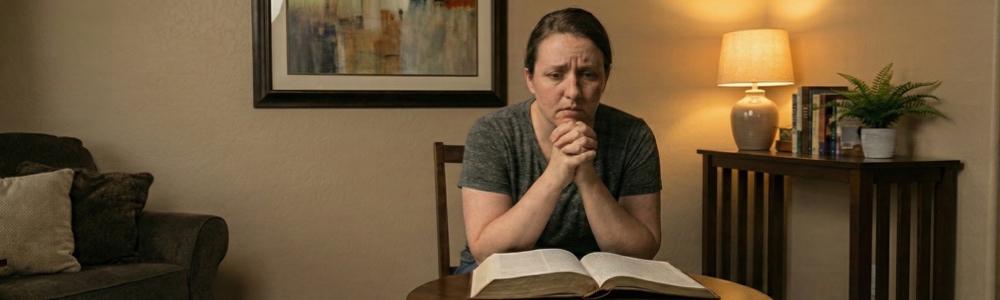
In Utah Valley communities from Orem to Provo, strong faith traditions shape daily life and family values. Yet sometimes, what appears as religious devotion may actually signal religious scrupulosity—a form of OCD that transforms faith into fear. At OCD Anxiety Centers in Orem, Utah, we help families recognize when religious practice crosses into compulsive territory and provide evidence-based treatment that honors both mental health and spiritual beliefs.
Religious scrupulosity affects individuals across all faith backgrounds, creating intense anxiety about moral perfection and spiritual worthiness. Our intensive outpatient program in Orem, Utah specializes in treating this complex condition, helping clients ages 8 and older distinguish between authentic faith and OCD-driven compulsions while achieving an average 67% reduction in symptoms.
What Signs Indicate Religious Scrupulosity Rather Than Devotion?
Distinguishing between sincere religious commitment and scrupulosity requires understanding how OCD hijacks normal faith practices. While devoted individuals find peace in their spiritual activities, those with religious scrupulosity experience mounting anxiety despite their religious efforts.
Excessive Time Spent on Religious Activities
When prayer extends for hours due to fears of imperfection, or when someone reads the same scripture passage repeatedly seeking “perfect” understanding, religious scrupulosity may be present. Our clients often describe spending 3-10 hours daily on religious rumination, far exceeding typical devotional practice.
Constant Reassurance Seeking from Religious Leaders
Individuals with religious scrupulosity frequently seek reassurance from clergy, family members, or religious texts about their spiritual standing. This reassurance provides only temporary relief before doubts resurface, creating a cycle of increasing anxiety and compulsive checking that disrupts both family life and faith community relationships.
Avoidance of Previously Cherished Religious Activities
Paradoxically, religious scrupulosity often leads to avoiding religious services, scripture study, or prayer. The anxiety associated with these activities becomes so overwhelming that individuals withdraw from the very practices that once brought comfort, creating spiritual isolation alongside their mental health struggles.
How Does Religious Scrupulosity Affect Utah Valley Families?
In communities throughout Utah Valley, from Orem to Pleasant Grove, religious scrupulosity impacts entire families. The condition creates unique challenges in households where faith plays a central role in daily life and family identity.
Impact on Family Religious Practices
When one family member struggles with religious scrupulosity, it often disrupts shared religious activities. Family prayer, scripture study, or attendance at religious services may become sources of conflict or trigger intense anxiety episodes. Siblings may feel confused or resentful when religious OCD dominates family attention and routines.
The Challenge of Supporting Without Enabling
Well-meaning family members often inadvertently reinforce scrupulosity by providing reassurance or participating in religious rituals designed to reduce anxiety. Learning to support recovery while not enabling OCD behaviors requires understanding and often professional guidance, which our Orem, Utah program provides through family involvement components.
Navigating Community Understanding
In faith-centered communities like those in Orem, Utah and surrounding areas including Vineyard and Lindon, explaining religious scrupulosity to extended family, friends, and religious leaders can prove challenging. Many mistake OCD symptoms for spiritual struggles, potentially delaying appropriate treatment or offering well-intentioned but unhelpful spiritual counsel.
Why Do Young People Develop Religious Scrupulosity?
Religious scrupulosity often emerges during childhood or adolescence, particularly in environments with strong religious emphasis. Understanding why young people develop this condition helps families recognize symptoms early and seek appropriate treatment.
The Intersection of Development and Faith
As children develop abstract thinking abilities, they begin grappling with complex moral and spiritual concepts. For those predisposed to OCD, this developmental stage can trigger scrupulosity as the brain’s “alarm system” misfires around religious themes. Normal questions about right and wrong transform into obsessive fears about spiritual inadequacy.
Perfectionism and Religious Expectations
Young people in religious communities may internalize messages about spiritual excellence differently. While most interpret religious teachings as aspirational guides, those with OCD tendencies may perceive them as rigid requirements, leading to impossible standards and constant feelings of failure despite their best efforts.
Social Pressure and Scrupulosity
Peer influence in religious youth groups or educational settings can inadvertently trigger scrupulosity in vulnerable individuals. The desire to fit in spiritually combines with OCD to create excessive worry about religious performance, particularly in communities throughout Utah County where religious participation is common.
What Treatment Approaches Work for Religious OCD?
Effective treatment for religious scrupulosity requires specialized approaches that address both the OCD mechanism and respect individual faith traditions. Our Orem, Utah program utilizes evidence-based methods proven effective for religious OCD.
Exposure and Response Prevention Adapted for Faith
ERP, the gold standard for OCD treatment, involves gradually facing religious situations that trigger anxiety without performing compulsive behaviors. This might include attending religious services without mental reviewing, or reading scripture without seeking perfect understanding. Our intensive format allows clients to practice these skills daily in real religious contexts throughout Orem, Utah.
Cognitive Behavioral Strategies for Scrupulosity
While exposure forms the cornerstone of treatment, cognitive strategies help clients recognize thinking errors common in religious scrupulosity. Learning to identify catastrophic interpretations of minor religious imperfections and understanding the difference between thought and action proves particularly helpful for those struggling with blasphemous intrusive thoughts.
Building Tolerance for Spiritual Uncertainty
Religious scrupulosity often involves intolerance of normal spiritual uncertainty. Treatment helps clients accept that absolute certainty about spiritual matters is neither possible nor necessary for meaningful faith practice. This acceptance, developed through systematic exposure work, allows for more authentic and peaceful religious engagement.
How Can Families Support Recovery from Religious Scrupulosity?
Family support significantly impacts recovery from religious OCD. Understanding how to help without inadvertently reinforcing symptoms empowers families to become effective recovery partners.
Education About OCD Versus Spiritual Issues
Families benefit from understanding that religious scrupulosity is a medical condition, not a spiritual failing or lack of faith. This knowledge helps family members respond appropriately to OCD symptoms rather than engaging in theological debates or providing reassurance that temporarily reduces anxiety but strengthens the disorder.
Creating Supportive Home Environments
Recovery-supportive homes balance respect for faith with boundaries around OCD behaviors. This might mean maintaining regular family religious practices while not accommodating excessive rituals or providing repeated reassurance about spiritual questions. Our program guides families in establishing these healthy boundaries.
Frequently Asked Questions
Can religious scrupulosity occur in any faith tradition?
Yes, religious scrupulosity affects individuals across all faith backgrounds. While specific concerns vary by religious tradition, the underlying OCD mechanism remains consistent. Our Orem, Utah program has successfully treated scrupulosity in clients from diverse religious backgrounds throughout Utah Valley.
Is it possible to maintain religious practice during OCD treatment?
Absolutely. Treatment for religious scrupulosity doesn’t require abandoning faith practices. Instead, our evidence-based approach helps clients engage in religious activities without OCD-driven compulsions, often resulting in more meaningful and peaceful spiritual practice.
How quickly can someone see improvement in religious OCD symptoms?
Many clients in our intensive outpatient program begin experiencing symptom reduction within the first few weeks. The concentrated format of three hours daily, Monday through Friday, accelerates progress compared to traditional weekly therapy, though the full 16-week program provides optimal results.
What if religious leaders don’t understand OCD?
Our program can provide education and resources for religious leaders to better understand religious scrupulosity as a medical condition. With client permission, we can help facilitate communication that supports both spiritual and mental health needs.
Can children as young as 8 really have religious scrupulosity?
Yes, religious scrupulosity can emerge in children as young as 8 years old. Early intervention through our program proves highly effective, as younger clients often respond well to evidence-based treatment before patterns become deeply established.
What communities does the Orem location serve?
Our Orem, Utah program serves families throughout Utah Valley, including Vineyard, Lindon, Provo, Pleasant Grove, American Fork, Cedar Hills, Lehi, Alpine, and Springville. The central location makes daily intensive treatment accessible for families across the region.
How do we know if our insurance covers religious OCD treatment?
Insurance typically covers religious scrupulosity treatment as it’s a recognized form of OCD. With 95% of our clients successfully using insurance, our Orem, Utah program staff can help verify coverage and navigate the insurance process for families seeking treatment.
Religious scrupulosity creates unique challenges for individuals and families in faith-centered communities. However, with proper recognition and evidence-based treatment, recovery is not only possible but probable. Our Orem, Utah program combines proven OCD treatment methods with sensitivity to religious values, helping clients and families find freedom from religious OCD while preserving meaningful faith connections. If you recognize these signs in your loved one, contact our Orem, Utah program at 866-303-4227 to learn how intensive outpatient treatment can restore both mental health and spiritual peace.