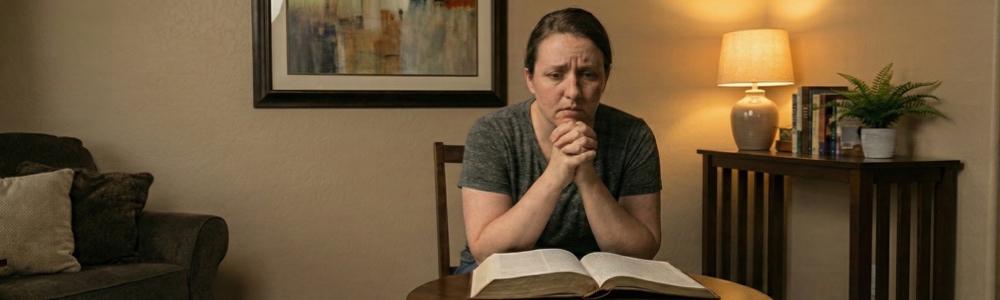

The house is quiet, everyone’s asleep, but your mind races at full speed. Heart pounding, thoughts spiraling, tomorrow’s worries mixing with past regrets. You check the clock—3 AM again. Another night lost to anxiety, another day you’ll face exhausted. If nighttime has become your enemy and sleep feels impossible, you’re battling nighttime anxiety, and specialized anxiety treatment in South Jordan, Utah can help you reclaim peaceful nights and energized days.
Our South Jordan intensive outpatient program understands that nighttime anxiety isn’t just insomnia or being a “night owl.” When darkness triggers panic, worry floods your mind at bedtime, or you wake in terror at 3 AM, you need more than sleep hygiene tips. Evidence-based treatment can address the anxiety that makes nighttime feel dangerous.
Why Anxiety Attacks at Night
Nighttime removes all the distractions that kept anxiety at bay during the day. No work tasks, social interactions, or entertainment to occupy your mind. In the quiet darkness, anxious thoughts roar to life. Your brain, trying to protect you, reviews threats and problems when you’re trying to rest. This evolutionary mechanism meant to keep us safe now keeps us awake.
The 3 AM Wake-Up Call
Many people with anxiety wake between 2-4 AM with racing thoughts or panic. This isn’t coincidence—cortisol naturally rises during these hours, preparing your body to wake. In anxious individuals, this normal process triggers full activation, making return to sleep impossible.
The Bedroom That Becomes a Battlefield
Your bed, meant for rest, becomes associated with anxiety. Lying down triggers worry. The bedroom itself cues panic. You might avoid going to bed, staying up until exhaustion forces sleep. Or you might sleep on the couch, in chairs, anywhere but the bed that’s become an anxiety trigger.
The Partner Impact Nobody Discusses
Nighttime anxiety affects relationships. Partners lose sleep from your restlessness. They feel helpless watching you suffer. Some couples sleep separately, adding relationship strain to anxiety burden. Our anxiety treatment program includes strategies for couples dealing with nighttime anxiety.
The Worry Window That Won’t Close
Nighttime becomes involuntary worry time. Tomorrow’s tasks, past mistakes, health concerns, relationship problems—everything feels urgent and unsolvable at 2 AM. You know you should sleep, but your brain insists on solving every problem now. The pressure to sleep creates more anxiety, making sleep even more elusive.
The Catastrophic Thinking in the Dark
Problems seem worse at night. Minor concerns become major catastrophes. That work email becomes job loss. That headache becomes serious illness. Darkness amplifies fear, making rational thinking nearly impossible. Our South Jordan, Utah program teaches techniques to manage nighttime catastrophizing.
Panic Attacks in the Dark
Nocturnal panic attacks jolt you from sleep with heart racing, sweating, and terror. Unlike nightmares, you wake in full panic without dream content to explain it. The fear of having another attack makes you afraid to sleep, creating exhausting hypervigilance that guarantees poor rest.
The Health Anxiety Night Shift
Health anxiety often worsens at night. Every sensation becomes suspicious. Heart rate variations trigger cardiac fears. Normal digestive sounds suggest serious problems. You might check symptoms, take vital signs, or wake partners for reassurance. Google becomes your 3 AM companion, always confirming worst fears.
The Daytime Consequences of Nighttime Anxiety
Sleep deprivation from nighttime anxiety affects everything. Concentration suffers, affecting work or school. Emotional regulation deteriorates, increasing irritability and sadness. Physical health declines from chronic sleep loss. The exhaustion makes anxiety worse, creating a vicious cycle.
The Sleeping Aid Trap
Many people with nighttime anxiety rely on alcohol, over-the-counter sleep aids, or other substances to sleep. While providing temporary relief, these often worsen sleep quality and can lead to dependence. Our evidence-based treatment addresses sleep without relying on substances.
Children’s Nighttime Anxiety: The Family Crisis
When children have nighttime anxiety, the entire family suffers. Elaborate bedtime rituals lasting hours. Multiple night wakings requiring parental presence. Children sleeping in parents’ beds for years. Parents exhausted, marriages strained, siblings disturbed. Our program treats nighttime anxiety in children 8 and older.
The School Impact of Sleep Loss
Children with nighttime anxiety often struggle academically from exhaustion. They might miss school from being too tired or have meltdowns from sleep deprivation. Teachers see behavior problems not recognizing the underlying sleep anxiety. Treatment improves both sleep and academic function.
Why Sleep Hygiene Isn’t Enough
You’ve tried it all—consistent bedtime, no screens, cool room, white noise. Sleep hygiene helps normal sleepers but doesn’t address anxiety. When your nervous system perceives nighttime as dangerous, you need anxiety treatment, not just better sleep habits.
The Revenge Bedtime Procrastination
Some anxious people delay bedtime seeking control and personal time. After anxious days, nighttime feels like the only freedom. But procrastination worsens sleep deprivation and anxiety. Our intensive outpatient program addresses both daytime and nighttime anxiety patterns.
Frequently Asked Questions
Is nighttime anxiety different from insomnia?
While related, nighttime anxiety specifically involves worry, panic, or fear at night. Insomnia is the inability to sleep from any cause. Nighttime anxiety causes insomnia, but treating it requires addressing the anxiety, not just sleep problems.
Why is my anxiety worse at night than during the day?
Nighttime removes distractions, leaving you alone with thoughts. Darkness triggers primitive fears. Fatigue reduces coping abilities. Lying still allows physical anxiety sensations to become noticeable. Our South Jordan, Utah program addresses all these factors.
Can nighttime anxiety cause actual health problems?
Yes, chronic sleep deprivation from nighttime anxiety affects physical health. It weakens immune function, increases cardiovascular risk, affects metabolism, and impairs cognitive function. Treating nighttime anxiety protects both mental and physical health.
Should I just stay up if I can’t sleep?
Sleep experts recommend leaving bed if awake over 20 minutes, but anxiety treatment goes deeper. We teach specific techniques for managing nighttime anxiety beyond basic sleep hygiene, helping you reclaim your bed as a safe space.
Can children really have nighttime anxiety or are they just avoiding bedtime?
Children absolutely experience genuine nighttime anxiety. While some resistance is behavioral, anxiety involves physical symptoms and genuine fear. Our program helps families distinguish between behavioral and anxiety-driven sleep problems.
How does intensive treatment help with nighttime anxiety?
Our three-hour daily program addresses anxiety comprehensively, not just sleep symptoms. As overall anxiety decreases, nighttime symptoms improve. We teach specific techniques for managing evening and nighttime anxiety.
What if I work night shifts?
Shift work complicates nighttime anxiety, but treatment still helps. We adapt strategies for non-traditional schedules, helping you achieve restful sleep regardless of when it occurs. Virtual options provide flexibility for shift workers.
Nighttime anxiety has turned what should be restful into torture. You dread bedtime, fear the dark hours, and face each day exhausted. But nights don’t have to be battlegrounds. Our South Jordan, Utah program has helped hundreds reclaim peaceful sleep using evidence-based anxiety treatment. You deserve to rest without fear, to welcome sleep instead of fighting it. Call (866) 303-4227 to learn how our intensive outpatient program can help you transform nighttime from anxiety to peace.