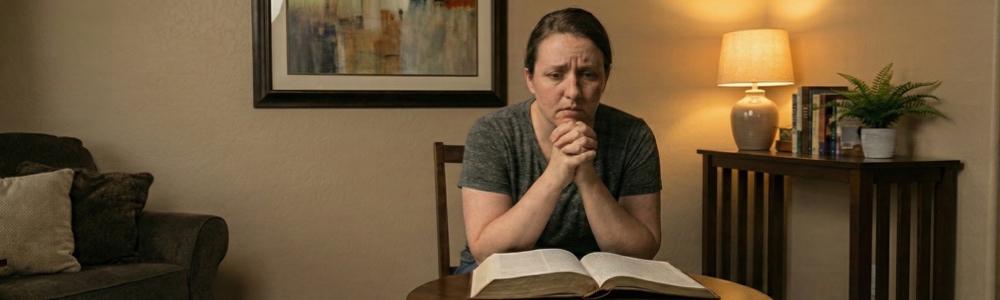

You pray for hours but never feel forgiven. Every thought feels like blasphemy. You confess the same sins repeatedly, analyze every action for moral failure, and live in terror of divine punishment. If your faith has transformed from comfort into torment, you might be experiencing Religious OCD (Scrupulosity), and specialized OCD treatment in South Jordan, Utah can help restore healthy spirituality without the obsessive fear.
Our South Jordan intensive outpatient program understands the unique challenges of religious OCD in Utah’s faith-centered communities. We respect your beliefs while treating the OCD that has hijacked them. You can maintain strong faith without the torture of scrupulosity—many clients find their genuine spirituality returns once OCD stops controlling it.
When Devotion Becomes Compulsion
Scrupulosity turns normal religious practice into exhausting rituals. Prayers must be perfect or they “don’t count.” You repeat religious phrases until they feel “right.” Confession becomes compulsive rather than cleansing. Religious texts require multiple readings to ensure proper understanding. What should bring peace brings only more anxiety.
The Moving Goalposts of Perfection
No matter how perfectly you follow religious rules, it never feels like enough. OCD constantly raises the bar: longer prayers, more restrictions, stricter interpretations. You create rules beyond what your religion teaches, then torture yourself for breaking these self-imposed laws. Our evidence-based OCD treatment helps distinguish between genuine faith requirements and OCD’s excessive demands.
The Blasphemous Thoughts That Terrorize You
Intrusive blasphemous thoughts are common in scrupulosity. Sexual thoughts about religious figures, curse words during prayer, doubts about God’s existence, or urges to commit sacrilege. These thoughts feel like proof you’re evil, but they’re actually proof of how much you value your faith—OCD attacks what matters most to you.
The Thought-Action Fusion Trap
Religious OCD creates thought-action fusion—believing that thinking something is morally equivalent to doing it. A blasphemous thought feels as sinful as blasphemous action. This isn’t what most religions teach, but OCD convinces you otherwise. Our South Jordan program helps separate thoughts from actions, reducing the power of intrusive thoughts.
Confession That Never Brings Relief
You might confess to religious leaders repeatedly about the same concerns, seeking reassurance about your salvation or forgiveness. But relief lasts only moments before doubt returns: “Did I confess correctly? Did I forget something? Was I sincere enough?” This confession compulsion exhausts both you and religious leaders who don’t understand why absolution doesn’t help.
When Religious Leaders Don’t Understand
Well-meaning religious advisors might offer reassurance that temporarily helps but ultimately feeds OCD. Or they might not recognize scrupulosity as OCD, instead encouraging more prayer or stricter observance—exactly what makes it worse. Our program works with religious communities to help them understand and appropriately support those with religious OCD.
The Moral Checking That Never Stops
Every action requires moral analysis. Was that thought sinful? Did I lie by omission? Am I being prideful? Is my charity genuine? You might spend hours reviewing your day for moral failures, analyzing motivations, and finding sin in innocent actions. This moral hypervigilance makes normal life impossible.
Living in Fear of Damnation
Many with scrupulosity live in constant fear of hell or divine punishment. Every mistake feels unforgivable. You might see signs of God’s anger in normal events or interpret difficulties as punishment for unknown sins. This fear-based faith is exhausting and joyless—the opposite of what most religions intend.
How Religious OCD Destroys What It Claims to Protect
Ironically, scrupulosity often damages the very faith it’s trying to perfect. The joy of worship disappears under compulsive ritual. Community connection is lost to isolation and shame. Scripture becomes a source of fear rather than comfort. Prayer feels like torture rather than communion. OCD hijacks faith and turns it into suffering.
The Family Impact of Religious OCD
Scrupulosity affects entire families. Children might be subjected to excessive religious restrictions. Spouses feel rejected when normal affection seems sinful. Family activities are limited by religious obsessions. Our intensive outpatient program includes family education to heal these relationship strains.
Evidence-Based Treatment That Respects Faith
OCD treatment for scrupulosity doesn’t attack your faith—it separates OCD from genuine religious practice. Through Exposure and Response Prevention, you’ll learn to tolerate religious uncertainty, practice faith without compulsion, and rediscover the peace your religion intended to provide.
Reclaiming Authentic Spirituality
Clients in our South Jordan, Utah program often report that treating scrupulosity strengthens their genuine faith. Without OCD’s distortion, they experience the comfort, community, and meaning that drew them to religion initially. The 67% average symptom reduction we achieve helps restore balanced, joyful religious practice.
Frequently Asked Questions
Will OCD treatment make me less religious?
No, treating scrupulosity actually helps many people become more genuinely religious. By removing OCD’s distortions, you can practice faith based on love rather than fear. Our South Jordan program respects your beliefs while treating the OCD that has corrupted them.
How is religious OCD different from strong faith?
Strong faith brings peace, community, and meaning. Scrupulosity brings torment, isolation, and exhaustion. If religious practice causes severe distress, takes excessive time, or interferes with daily life, it’s likely OCD rather than healthy devotion.
Can treatment address blasphemous thoughts?
Yes, intrusive blasphemous thoughts are common OCD symptoms, not reflections of your character or faith. Treatment helps you understand these thoughts as meaningless mental noise that doesn’t require confession or neutralization.
What if my religious leader says I need more faith, not therapy?
Scrupulosity is a medical condition requiring professional treatment. Many religious leaders support OCD treatment once they understand it. Our program can provide education to help religious advisors distinguish between genuine religious guidance and enabling OCD.
Is scrupulosity common in Utah?
Religious OCD can affect anyone of any faith, but it’s particularly challenging in communities with strong religious emphasis. Our South Jordan location specializes in treating scrupulosity within Utah’s unique religious context.
Can children have religious OCD?
Yes, children as young as 8 can develop scrupulosity, often manifesting as excessive confession, prayer rituals, or terror of sinning. Early treatment prevents years of religious torment and helps children develop healthy faith relationships.
How long does treatment for religious OCD take?
Our 16-week intensive outpatient program provides concentrated treatment specifically designed for OCD. Meeting three hours daily, Monday through Friday, allows for rapid progress in separating OCD from genuine faith practice.
Religious OCD has stolen the comfort and meaning from your faith, replacing it with fear and compulsion. But scrupulosity is treatable, and you can reclaim authentic spirituality free from OCD’s torment. Our South Jordan, Utah program has helped hundreds of people restore healthy religious practice using evidence-based methods that respect faith while treating OCD. You deserve to experience your faith as a source of peace, not persecution. Call (866) 303-4227 to learn how our intensive outpatient program can help you separate OCD from faith and rediscover spiritual peace.