
Learning Center
Welcome to the Learning Center at OCD Anxiety Centers, your comprehensive resource for understanding and managing obsessive-compulsive disorder (OCD) and anxiety, and trauma-related. conditions. Our mission is to equip individuals aged eight and older with evidence-based tools and techniques to significantly reduce symptoms and enhance quality of life. Through our Intensive Outpatient Program (IOP), we offer personalized, exposure-based therapies that have consistently led to remarkable client success, with an average symptom reduction of 67%. In this Learning Center, you’ll find a wealth of articles and information designed to support your journey toward recovery and well-being.

Is My Teen’s Anxiety Normal? When to Seek Intensive Treatment
Is my teen’s anxiety normal? Every parent of an adolescent asks some version of this question, because the teenage years come with built-in stress, mood swings, and social pressure that can look a lot like an anxiety disorder even when they are not one. The distinction matters enormously. Ordinary teen stress passes and does not need treatment. An anxiety disorder, left alone, tends to deepen through the exact years when a young person should be building independence. Evidence-based treatment works remarkably well for adolescents, and knowing the difference between typical and troubling is the first step toward getting the right level of care.

Panic Attack or Anxiety Attack? How to Tell the Difference
Panic attack or anxiety attack: people use the terms interchangeably, but they describe two genuinely different experiences, and knowing which one you are having changes what will help. A panic attack is a sudden, intense surge of fear that peaks within minutes, often with alarming physical symptoms. An anxiety attack, though not a formal clinical term, usually describes a slower build of overwhelming worry and tension. Both are treatable with evidence-based care, and neither is dangerous, even when they feel like an emergency. Understanding the difference is the first step toward responding effectively instead of fearfully.

How Long Does Anxiety Treatment Take? A Realistic Timeline
How long does anxiety treatment take? For most people asking, the real question underneath is whether relief is months away or years away, and whether the effort will be worth it. The realistic answer is encouraging: with evidence-based treatment delivered at the right intensity, meaningful change typically happens on a scale of weeks to months, not years. The intensive outpatient program at OCD Anxiety Centers, for example, is structured around a 16-week course of daily treatment. Timelines vary with severity, treatment type, and consistency, but anxiety treatment is one of the areas of mental health care where progress is genuinely predictable.

Why Avoiding Anxiety Makes It Worse (And What Works Instead)
Avoiding anxiety makes it worse. That single sentence explains why so many people find their anxiety growing year after year despite doing everything they can think of to feel better. Avoidance is the most natural response to fear, and it works beautifully in the short term, which is exactly the problem. Every avoided situation buys a moment of relief and pays for it with a stronger fear tomorrow. The alternative, gradually facing what you fear through structured, evidence-based treatment, is the most reliable path out of the cycle, and it is far more doable than it sounds.

Does Anxiety Ever Go Away on Its Own? What to Expect
Does anxiety ever go away on its own? It is one of the most searched questions about mental health, usually typed by someone hoping the answer is yes. The honest answer is more nuanced. Ordinary, situational anxiety often fades once the stressor passes. An anxiety disorder, on the other hand, tends to persist and frequently deepens without treatment, because the very things people do to cope with it usually keep it alive. Understanding the difference matters, because evidence-based treatment reliably changes the trajectory that waiting almost never does.

High-Functioning Anxiety: Signs You’re Struggling More Than You Show
High-functioning anxiety describes a painful contradiction: you appear successful, organized, and composed on the outside while managing constant worry, tension, and self-doubt underneath. Because your grades, career, or household keep running smoothly, the struggle stays invisible, sometimes even to you. But looking fine and feeling fine are very different things, and the internal cost of holding it all together is real. The good news is that this pattern responds to the same evidence-based treatment that helps any anxiety disorder, and specialized care exists for exactly this kind of hidden struggle.

When Weekly Therapy Isn’t Enough for Anxiety: What to Do Next
When weekly therapy isn’t enough for anxiety, it can feel discouraging, especially if you have been showing up faithfully for months without real change. The problem is usually not you, and it is often not your therapist either. Some anxiety simply requires more treatment intensity than one hour a week can provide. Higher levels of care, such as an intensive outpatient program built on evidence-based approaches, exist precisely for this situation. Recognizing when you have outgrown weekly sessions is not a failure. It is useful clinical information that points toward what will actually work.
Why Is My Anxiety Worse at Night? What Actually Helps
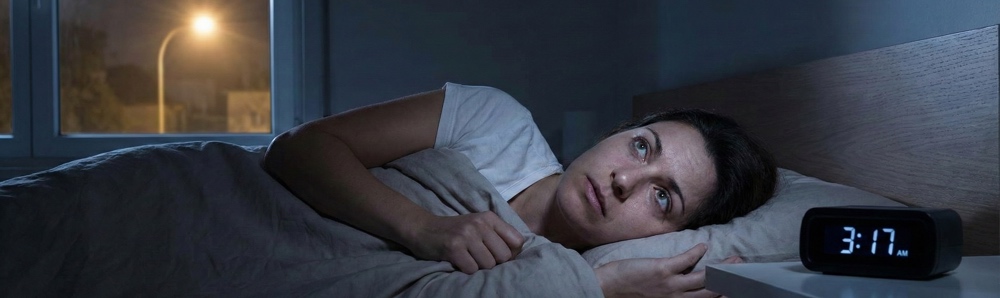
If your anxiety gets worse at night, you are not imagining it, and you are not alone. Many people who feel reasonably steady during the day find that worry, racing thoughts, and physical tension surge the moment the lights go out. Nighttime anxiety is one of the most common patterns clinicians see, and it responds well to evidence-based treatment. Understanding why your mind ramps up at bedtime is the first step toward changing it, whether that means adjusting your evening habits or pursuing structured therapy for an underlying anxiety disorder.
When Anxiety Gets Louder at Night: Understanding the Evening Struggle
For many people living with anxiety disorders, the most difficult part of the day is not the morning commute, a stressful meeting, or a crowded social event. Instead, it is the quiet hours after sunset. As the world slows down and distractions disappear, anxiety may actually grow louder. When the day starts to settle, thoughts race, worries intensify, and sleep can feel frustratingly out of reach.

Social Anxiety Is Not Shyness: Understanding the Disorder That Keeps People Isolated
It is common to hear someone say “oh, I’m just shy” when feeling uncomfortable in social situations. While shyness is a normal personality trait that many people experience, social anxiety is different, though the two are often mistaken for one another. For those living with social anxiety disorder, everyday interactions go beyond uncomfortable to instead feeling overwhelming, frightening, and emotionally exhausting.