
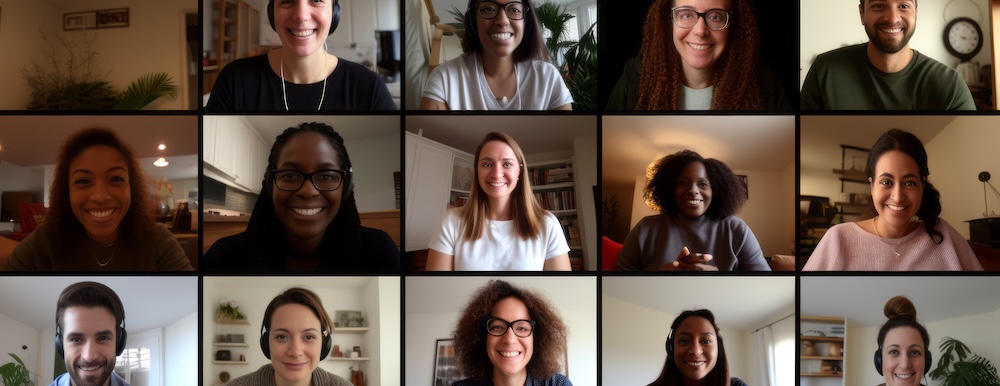
Virtual IOP treatment offers structured, evidence-based mental health care through secure online platforms while allowing participants to remain at home and continue many aspects of daily life. Although virtual treatment may not be the right fit for everyone, growing evidence suggests it can be an effective and accessible option for many people, including those specifically experiencing anxiety disorders and OCD.
What Is Virtual IOP?
A virtual Intensive Outpatient Program (IOP) is a structured level of mental health care delivered remotely through video conferencing and digital tools. Similar to in-person IOPs, virtual programs typically involve several hours of treatment multiple days per week and may be conducted via group therapy, individual therapy, psychiatric support, psychoeducation, and skills training.
The main difference? Rather than attending treatment in a clinic, participants join sessions from home or another private location.
Virtual IOP treatment is often best suited for individuals who:
Need more support than weekly outpatient therapy alone, are medically and psychiatrically stable enough to participate safely from home, and face barriers to attending in-person services (e.g., transportation, caregiving demands, distance).
Why Virtual IOP Treatment Can Work Well for Anxiety and OCD
For anxiety and OCD in particular, virtual care may offer unique advantages that align closely with how these conditions develop and are treated.
Anxiety and OCD Treatment Is Already Highly Skills-Based
Many evidence-based approaches for anxiety disorders and OCD rely on structured, teachable skills. Cognitive behavioral therapy (CBT), exposure-based interventions, acceptance strategies, and coping techniques can all be delivered effectively through telehealth formats.
Treatment often focuses on helping individuals identify patterns of fear, avoidance, reassurance-seeking, compulsions, and unhelpful thinking habits. Because these interventions are structured and practice-oriented, they adapt well to virtual settings. Group discussions, therapist guidance, worksheets, behavioral exercises, and exposure planning can all occur effectively online.
For OCD specifically, exposure and response prevention (ERP), which is typically considered the gold standard treatment, can be implemented successfully in virtual environments. Virtual treatment may even create opportunities for practicing ERP directly in a person’s home environment, where symptoms commonly occur.
Treatment Happens in the Real World
One unique advantage of virtual care is that participants are engaging in treatment within the environments where anxiety and OCD symptoms actually happen.
Someone attending in-person treatment might discuss difficulties that arise at home and attempt to apply skills later. In virtual IOP, therapists can help individuals apply coping tools in real time while physically present in their everyday setting. This can be particularly valuable for OCD and anxiety because symptoms are often context-dependent.
For example:
- A person with contamination OCD may struggle most in their own kitchen or bathroom.
- Someone with panic disorder may fear being alone at home.
- A person with social anxiety may avoid video calls, work meetings, or social interactions.
- Someone with generalized anxiety may become overwhelmed by family responsibilities or constant worry cycles in daily life.
Practicing new responses in the very environments where symptoms occur can strengthen learning and increase confidence.
Increased Accessibility Can Improve Consistency
Consistency matters in anxiety and OCD treatment. Regular participation and repeated practice of therapeutic skills are often essential for improvement. As virtual IOP treatment reduces many common barriers to consistent treatment, people may be able to connect with specialized care they otherwise would not receive.
How Virtual IOP Might Help in Real-Life Anxiety and OCD Situations
Every person’s experience is different, but virtual IOP treatment can be particularly effective in certain situations.
Example 1: Severe Generalized Anxiety Affecting Daily Life
Imagine a working parent whose worries have become relentless. They spend hours ruminating about finances, health, parenting decisions, and worst-case scenarios. Sleep is poor, concentration is difficult, and stress is beginning to affect relationships.
Weekly therapy feels helpful but not sufficient.
In a virtual IOP, this person may participate in multiple therapy sessions each week focused on understanding anxiety cycles, reducing reassurance-seeking, improving emotion regulation, practicing cognitive flexibility, and learning strategies for tolerating uncertainty.
Because treatment occurs at home, they may also have opportunities to practice skills during real-life stressors between sessions and discuss what worked or did not work in near real time.
Example 2: OCD That Has Become Increasingly Time-Consuming
Someone with OCD may spend hours washing, checking, mentally reviewing events, or seeking reassurance. They recognize the cycle is interfering with work, family life, and emotional well-being, but feel unable to stop.
Virtual IOP treatment can provide more intensive support than weekly therapy while allowing ERP work to happen in meaningful environments.
For example, a therapist might help someone gradually reduce compulsive cleaning in their own bathroom or practice tolerating uncertainty without repeated checking behaviors in their home. Because compulsions often happen privately, virtual treatment may provide direct opportunities to intervene where symptoms occur.
The increased frequency of support can also help participants stay accountable to difficult exposure work.
Example 3: Anxiety Preventing Someone From Leaving Home
For some individuals, severe anxiety makes attending in-person care feel nearly impossible. Panic disorder, agoraphobia, OCD-related fears, or intense social anxiety may create overwhelming barriers to entering treatment.
Virtual IOP can serve as an important starting point.
Participating from home may reduce the initial burden enough for someone to begin receiving care rather than delaying treatment altogether. Over time, therapy may focus on gradually increasing exposure to feared situations and rebuilding confidence outside the home.
In some cases, virtual treatment may become a bridge toward broader functioning and future in-person experiences.
Example 4: A College Student or Working Professional Balancing Responsibilities
Anxiety and OCD often emerge or intensify during periods of high stress, situations which make the very treatment needed difficult to engage in. Students and professionals may struggle to fit treatment into already demanding schedules.
Virtual IOP treatment may offer structured care while reducing travel time and logistical strain.
Instead of commuting to appointments, participants can engage in treatment from home while continuing important responsibilities when clinically appropriate. This flexibility can make intensive treatment more realistic and sustainable.
Finding the Right Fit
Virtual IOP treatment is not simply “therapy on Zoom.” When thoughtfully designed, it can offer comprehensive, structured, and evidence-based care that addresses the complex ways anxiety and OCD affect daily life. For many individuals, receiving support in the environments where symptoms occur, while maintaining connection to everyday responsibilities, can create meaningful opportunities for change.
Anxiety and OCD can feel isolating and overwhelming, but effective treatment exists. For some, virtual IOP provides the combination of structure, flexibility, and specialized support needed to begin moving toward recovery, and may be a valuable option to discuss with a mental health practitioner.
References Supporting Statements
Andersson, G., Carlbring, P., Rozental, A., Cuijpers, P., & colleagues. (2019). Internet-based cognitive behavior therapy for anxiety and depression: A systematic review and meta-analysis. Clinical Psychology Review, 71, 1–12.
Comer, J. S., Furr, J. M., Miguel, E., Cooper-Vince, C., Carpenter, A. L., Elkins, R. M., Kerns, C., Cornacchio, D., Chou, T., Coxe, S., DeSerisy, M., Sanchez, A. L., Khanna, M., & Franklin, M. E. (2017). Remotely delivered, therapist-guided treatment for early-onset OCD. Journal of the American Academy of Child & Adolescent Psychiatry, 56(10), 859–868.
Fernandez, E., Woldgabreal, Y., Day, A., Pham, T., & Gleich, B. (2021). Live psychotherapy by video versus in-person: A meta-analysis of efficacy and therapeutic alliance. World Journal of Psychiatry, 11(6), 224–237.
Himle, J. A., Fischer, D. J., Muroff, J. R., Van Etten, M. L., Lokers, L. M., Abelson, J. L., & Hanna, G. L. (2006). Videoconferencing-based cognitive behavioral therapy for obsessive-compulsive disorder. Behavior Research and Therapy, 44(12), 1821–1829.
McKay, D., Abramowitz, J. S., & Storch, E. A. (2021). Treatments for obsessive-compulsive disorder and the role of exposure and response prevention. Psychiatric Clinics of North America, 44(2), 251–267.
Storch, E. A., Caporino, N. E., Morgan, J. R., Lewin, A. B., Rojas, A., Brauer, L., Larson, M. J., Murphy, T. K., & others. (2011). Preliminary investigation of web-camera delivered cognitive-behavioral therapy for obsessive-compulsive disorder. Psychiatry Research, 189(3), 407–412.
Varker, T., Brand, R. M., Ward, J., Terhaag, S., & Phelps, A. (2019). Efficacy of synchronous telepsychology interventions for people with anxiety and related disorders: A meta-analysis. Journal of Anxiety Disorders, 64, 68–79.